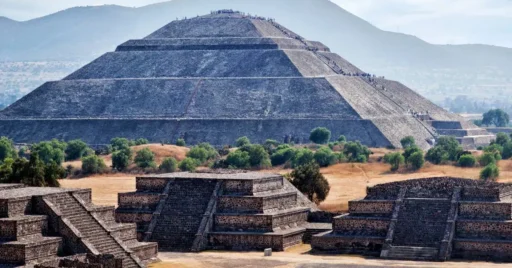
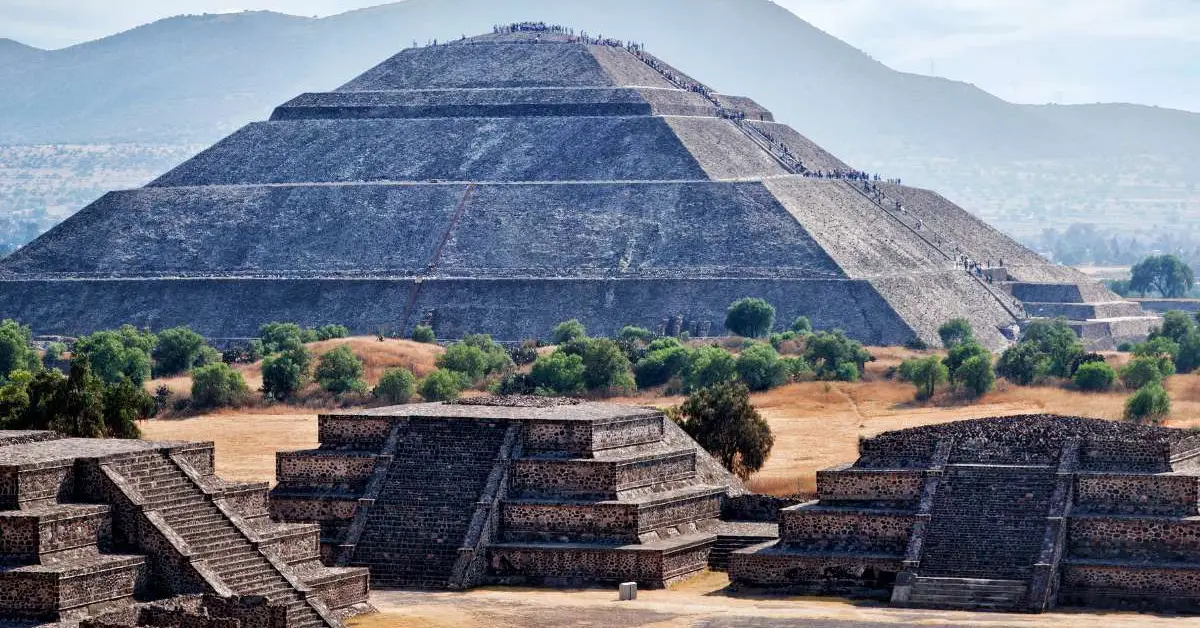
If there’s one archaeological site in Mexico that everyone should visit at least once in their life, it’s Teotihuacan. This place makes you feel tiny. It’s the sheer scale, the history, the energy it gives off. The first time I saw it, I was floored. I had a hard time believing an ancient civilization pulled this off without modern tools.
The monumental architecture is only part of it. There’s also the city’s layout, the way its buildings line up with the sky, and the cultural mark it left on other Mesoamerican civilizations. The Mexica (Aztecs) even adopted it as a sacred site.
This guide covers everything you need to know to visit Teotihuacan: how to get there, what to see, some history, plus my tips and recommendations so you can make the most of your visit.
History of Teotihuacan: The mystery of the great pre-Hispanic city
Teotihuacan is one of Mexico’s most mysterious ancient cities. Nobody knows exactly who built it or why it was abandoned. What we do know is that when the Aztecs found it centuries later, it was already in ruins. They’re the ones who named it Teotihuacan, meaning “the place where men become gods.” Once you see it up close, the name feels pretty accurate.
The city was probably founded around the 2nd century BCE. At its peak, more than 100,000 people lived here, which made it the biggest city in Mesoamerica at the time. It was a major commercial, religious, and cultural hub for the whole region.
The planning is astonishing. Pyramids aligned with the stars, straight roads, huge plazas. It’s like they built the whole city as a mirror of the cosmos.
As you walk around Teotihuacan, it’s easy to picture what life looked like here: water flowing past the temples, ceremonies honoring the gods, and busy markets full of people trading.
How to get to Teotihuacan from Mexico City
Teotihuacan is about 50 km (31 miles) northeast of Mexico City. The trip takes 1 to 1.5 hours, depending on traffic and how you get there.
A guided tour is your best bet if you’d rather skip the logistics and just enjoy the day. Tours include round-trip transport, an expert guide, and often extras like mezcal tastings or obsidian carving demos. Prices run from 600 to 1500 MXN depending on the package, and having a guide makes a big difference in how much you get out of the site.
Public transport is the cheapest way to go. Buses to Teotihuacan leave from Mexico City’s Terminal del Norte and cost around 100 MXN round-trip. It’s less comfortable, though, and if you’re not used to getting around the city on your own, it can be a hassle.
Driving? If you’ve got a rental, take the Mexico-Pachuca highway and follow the signs. Parking near the site is easy and costs about 50 MXN. Just make sure your GPS is working.
What to see in Teotihuacan: The must-sees of the City of the Gods
Walking into Teotihuacan, you’re stepping into a city that still feels enormous centuries after its peak. The first thing you feel is awe: the massive pyramids, the Avenue of the Dead stretching out ahead of you, and an atmosphere that feels charged with something you can’t quite name.
There’s way more to see than just the two main pyramids, though. Give yourself time to wander, because there are hidden corners all over the place.
The Pyramid of the Sun:
Start here. The Pyramid of the Sun is the largest structure on the site and the third tallest pyramid in the world. At 65 meters high, it towers over everything around it.
This was the city’s most important ceremonial center. You can’t climb it anymore, but it’s still seriously impressive just standing there. Its alignment is said to be astronomically precise, and rituals were once held at the top.
Stand at the base and look up. It’s easy to picture the faithful climbing toward the sky, convinced they were getting closer to the gods. Even now, crowds show up during the equinoxes to “absorb the energy.”
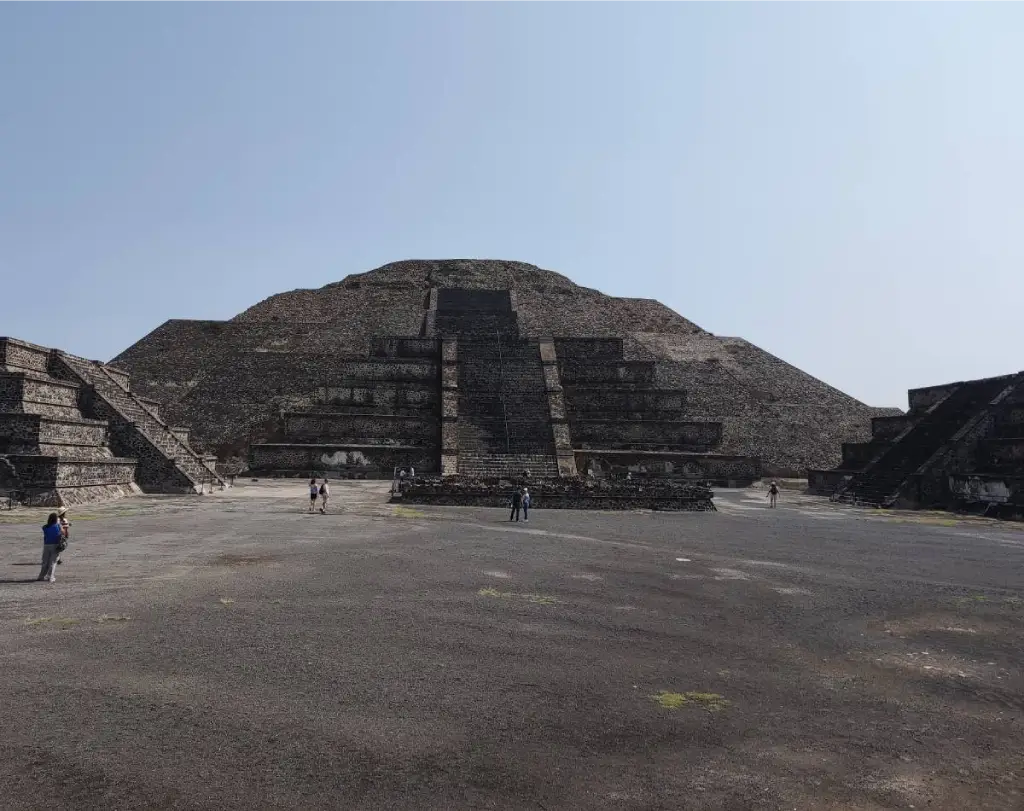
Pyramid of the Moon:
Keep walking along the Avenue of the Dead and you’ll reach the Pyramid of the Moon. It’s smaller than the Pyramid of the Sun (about 43 meters tall), but it gives you one of the best views of the whole archaeological zone.
You’re allowed to climb up to the first platform. From there you can take in the city’s layout and imagine it in its prime: temples, plazas, homes, and markets that once filled the area with life.
Even in ruins, you can feel how grand Teotihuacan once was.
The Avenue of the Dead:
This is Teotihuacan’s main artery, a grand ceremonial boulevard more than 4 km long. It connected the city’s major structures, and priests and rulers probably walked it during important rituals.
The name, “Avenue of the Dead,” comes from the Aztecs, who thought the buildings along both sides were tombs. They were actually elite residential and administrative complexes.
Walking down this avenue feels like walking through the heart of the ancient city. Along the way you’ll pass temples, plazas, and palaces, and some of them still have their original murals.
The Temple of Quetzalcoatl:
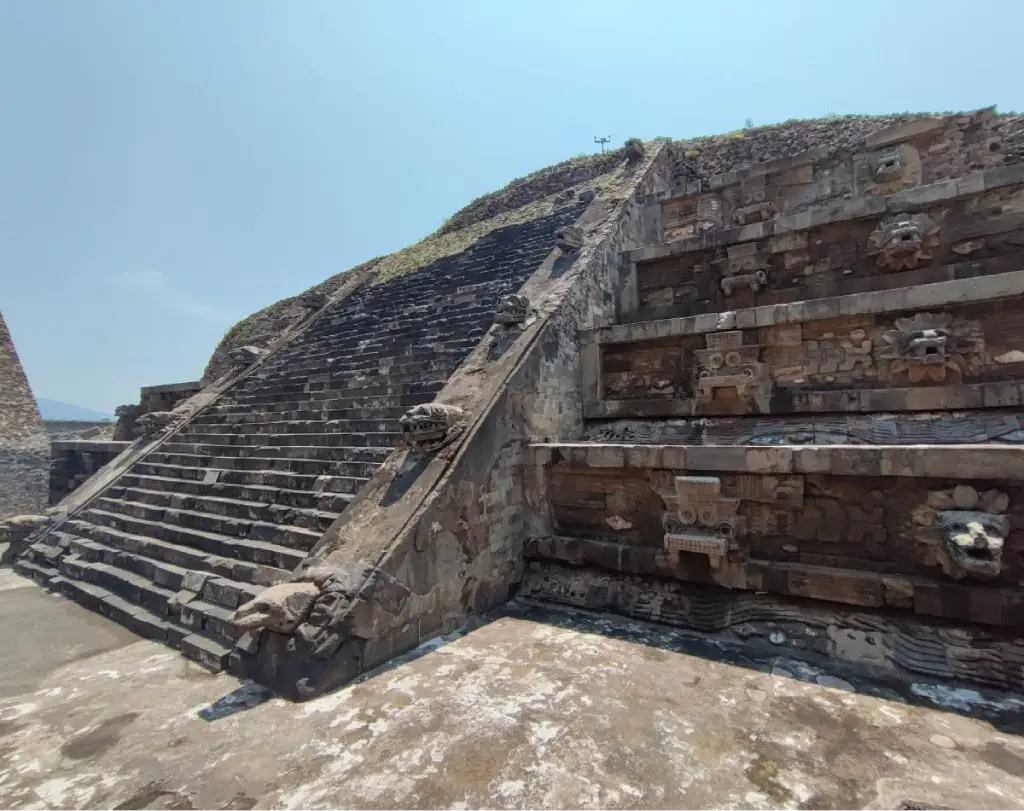
This temple sits inside the Citadel, and it’s one of the most striking spots in Teotihuacan. It’s also weirdly underrated. The Citadel was a massive ceremonial complex and, back in the day, the center of Teotihuacan’s political and religious power.
The façade is covered in carved feathered serpent heads and other mythological creatures, which sets it apart from the other pyramids. Archaeologists have found over 200 human burials here, a pretty clear sign of ritual sacrifice.
The detail blew me away. After all these centuries, you can still clearly make out the serpents’ fangs, eyes, and feathers. If you’re into Mesoamerican art and symbolism, don’t skip it.
Palaces and murals
Beyond the pyramids, Teotihuacan has some amazing art. A few of the murals have lasted for centuries and still show off bold colors and detailed work.
The Palace of Quetzalpapálotl is thought to have been home to a high-ranking priest or noble. It has carved columns with quetzal birds and murals whose colors have held up for centuries.
Then there’s the Palace of the Jaguars, with murals of jaguars playing conch shells. It tells you how much music and ritual mattered in Teotihuacan culture.
If you love pre-Hispanic art, these spots give you a rare look at the everyday life and beliefs of this ancient civilization.
The Teotihuacan museum
To wrap up your visit, stop by the Museum of Teotihuacan Culture. It has a big collection of artifacts found across the site, and you’ll see pottery, tools, sculptures, and even human remains.
One of the best things in there is a large-scale model of the entire city that shows what it looked like at its peak. I’m a sucker for miniature models, so I spent a good while staring at every little detail.
Tips for visiting Teotihuacan and making the most of your experience
- Arrive early. After noon the sun gets brutal and there’s hardly any shade. I went on a 6 AM tour and it was the best call I made: fewer crowds and cooler weather.
- Bring water, sunscreen, and a hat. You’ll spend several hours exploring under direct sun, and there are no shops or shade once you’re inside.
- Wear comfortable clothes and shoes. You’ll walk a lot and might do some climbing, so dress for it.
- Hire a guide if you can. It’s well worth it to understand what the ruins meant. And plan for a full day, because between getting there and back and the visit itself, it takes up most of your day.
Where to eat in Teotihuacan
You’ll be starving after all that walking. If you’re on a tour, lunch is probably covered. If you’re on your own, these places are worth a stop:
- La Gruta: A unique dining experience inside a natural cave.
- Techinanco: Traditional Mexican food with views of the pyramids.
- Mayahuel: Pre-Hispanic dishes, edible insects included.
Teotihuacan is one of a kind. It’s full of history and mystery, and it has a presence you can feel in the air. Walking its ancient avenues and looking up at the pyramids is hard to put into words. Tour or solo, it doesn’t really matter. Just take your time, soak it all in, and let the magic of this sacred site get to you.
If you’re planning a trip to Mexico City, set aside a full day for Teotihuacan. You won’t regret it.