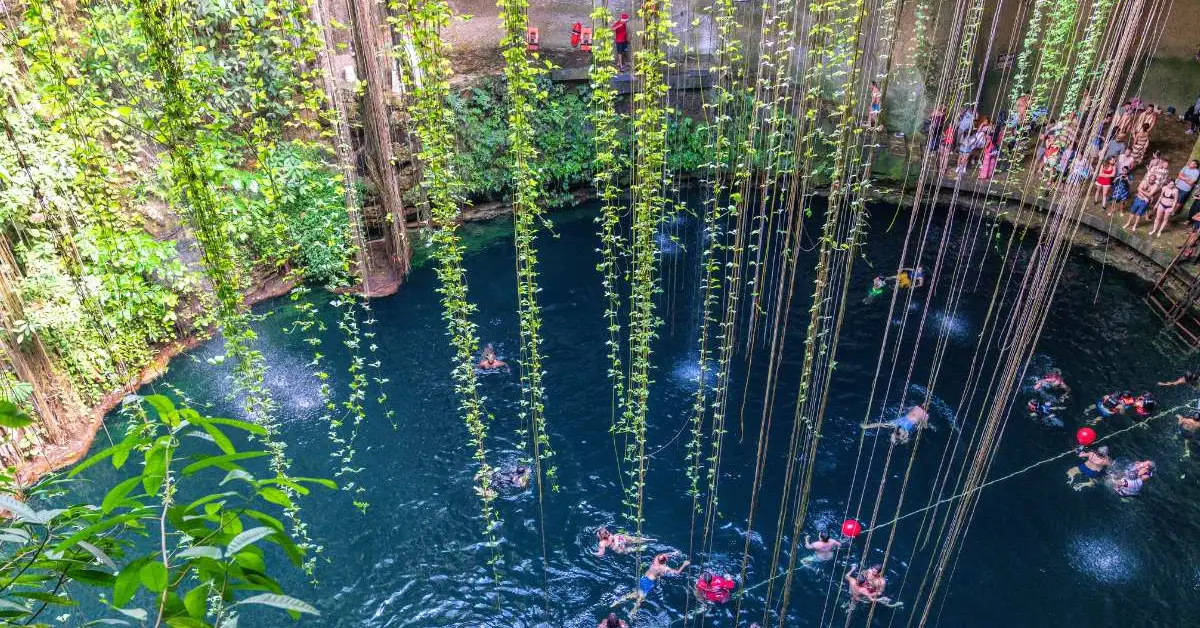
If there’s one thing that makes the Riviera Maya truly stand out, beyond its beaches and ancient culture, it’s the cenotes. These natural wonders, formed thousands of years ago when limestone collapsed and gave way to underground rivers, have been sacred to the Maya for centuries.
Exploring a cenote means diving into a world where nature and history come together in a way that’s hard to put into words. Each one has something different going for it: some are perfect for snorkeling, others for diving, and some are just great for switching off and soaking up a landscape you won’t find anywhere else.
After visiting different cenotes over the years, one thing is clear to me: being famous doesn’t mean being the best. All the cenotes on this list are beautiful, but many have been heavily developed for tourism, which takes a lot of their charm away. Personally, I prefer looking for lesser-known spots with fewer crowds, but that’s just a matter of taste. Either way, here are the 7 most famous cenotes in the Riviera Maya.
What these cenotes have in common
Each of these cenotes has its own personality, but they do share some things worth knowing before you visit:
- They get crowded, some of them seriously crowded. Check what time they’re least busy and try to go then.
- There’s an entrance fee, and most places don’t take cards. Bring cash.
- Many have no lockers, so travel light and keep an eye on your stuff.
- Snorkeling is possible at many of them, and while some rent gear, the quality isn’t always great. If you can, bring your own.
- These are natural spaces that deserve to be protected. Be respectful so they stay that way.
Our cenote picks:
Cenote Dos Ojos
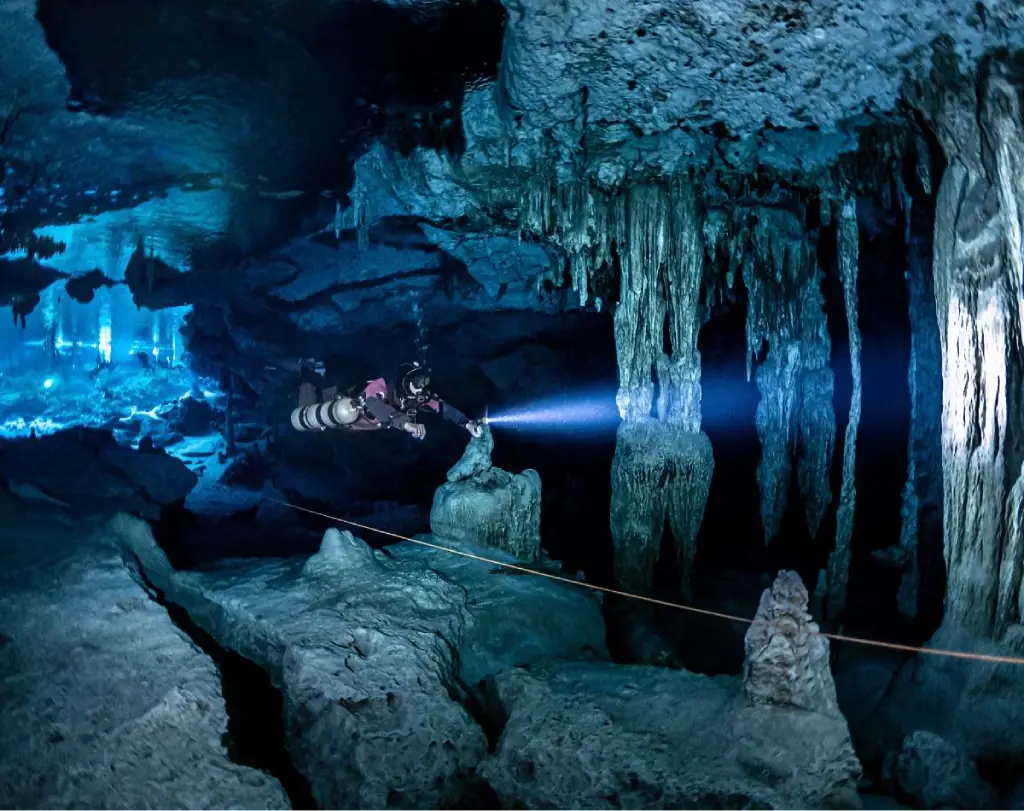
If I had to describe Cenote Dos Ojos in one word, it would be hypnotic. This cenote is famous for its incredible network of underwater caves and its crystal-clear blue water that looks like it belongs on another planet.
It’s called “Dos Ojos” (Two Eyes) because it has two large cavities connected by underwater tunnels. Divers absolutely love it — the caves offer spectacular visibility and a play of light underwater that really does leave you speechless.
The water is a shade of blue that seems otherworldly, and the rock formations will genuinely blow your mind. If you’re into diving, the visibility and the way light moves under the water is something else.
Even if you don’t dive, snorkeling here is well worth it — you can float on the surface and peer down into the underwater caverns below you. It’s located near Tulum and the entrance fee is around 400 MXN. If you go, try to visit in the afternoon to avoid the morning crowds.
Gran Cenote
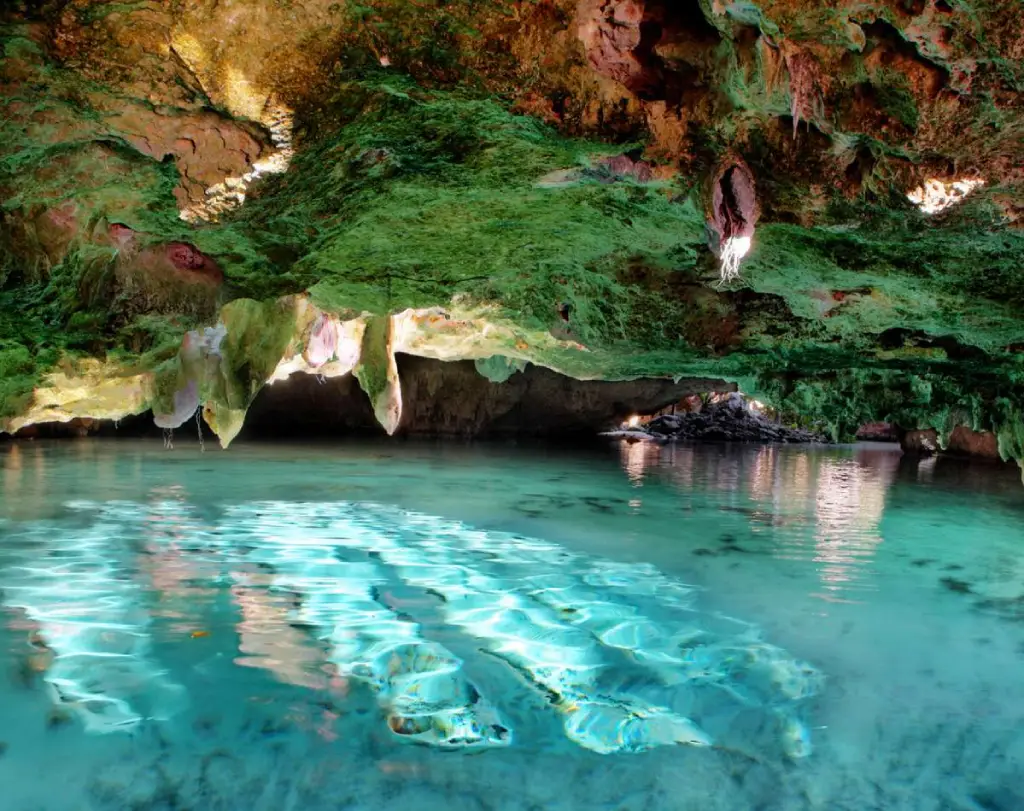
Just 4 km from Tulum, Gran Cenote is a natural gem. It’s a semi-open cenote, with open-air sections and tunnels that connect different parts of the underground system. The mix of open sky and cave gives it a really special atmosphere.
The water is so clear you can see every detail on the bottom, including fish and turtles swimming around like they own the place.
For those who want more adventure, diving through the underwater tunnels is an experience you won’t forget. But if you just want to relax, there are shallow areas where you can float around and enjoy the scenery.
It’s very close to the Tulum ruins, so you can easily combine both visits in one day. Entrance is around 500 MXN. Go early — around 8 AM — to beat the crowds.
Cenote Ik Kil
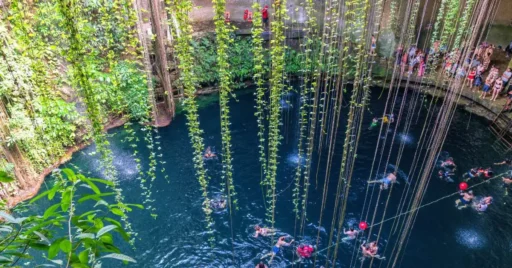
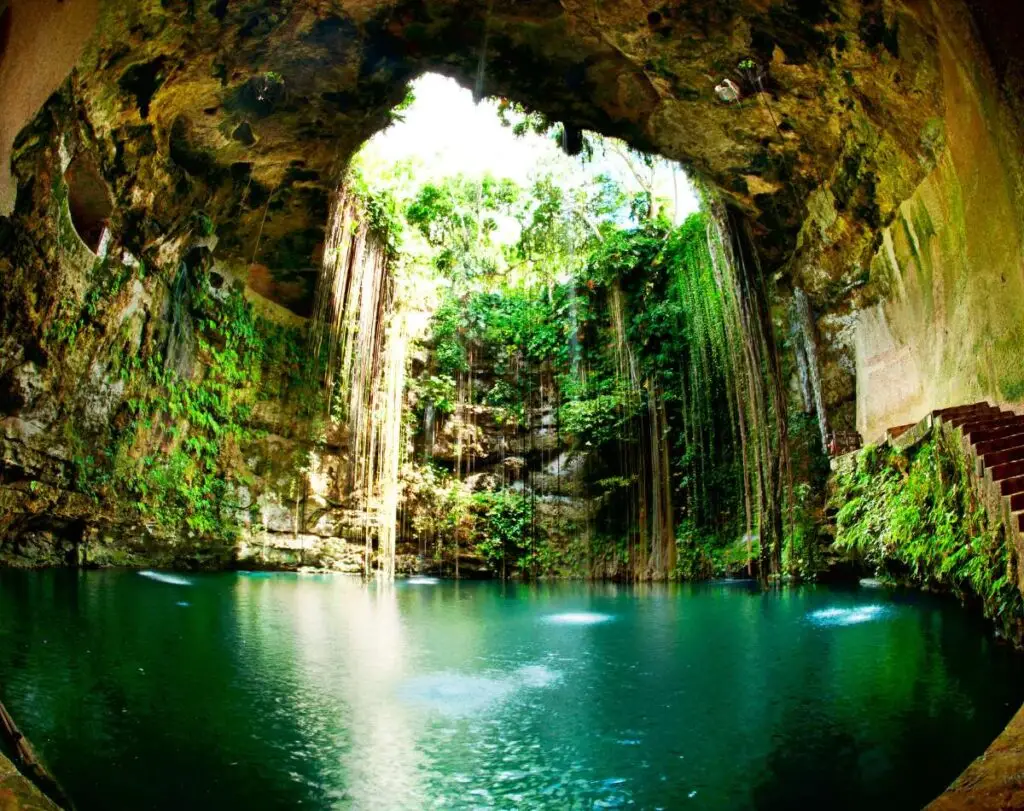
This one is among the most striking, and it sits very close to Chichen Itza. It’s a massive natural pit surrounded by lush vegetation, with vines hanging down from above and deep blue water below.
The water is a gorgeous turquoise blue, crystal clear and very deep. Swimming in it is genuinely enjoyable.
That said, its fame has turned it into quite a tourist operation, with restaurants and shops surrounding the area, which kills some of the magic. Entrance is around 200 MXN and includes a life jacket. To enjoy it without too many people around, get there early — it gets overwhelming later in the day.
Cenote Suytun
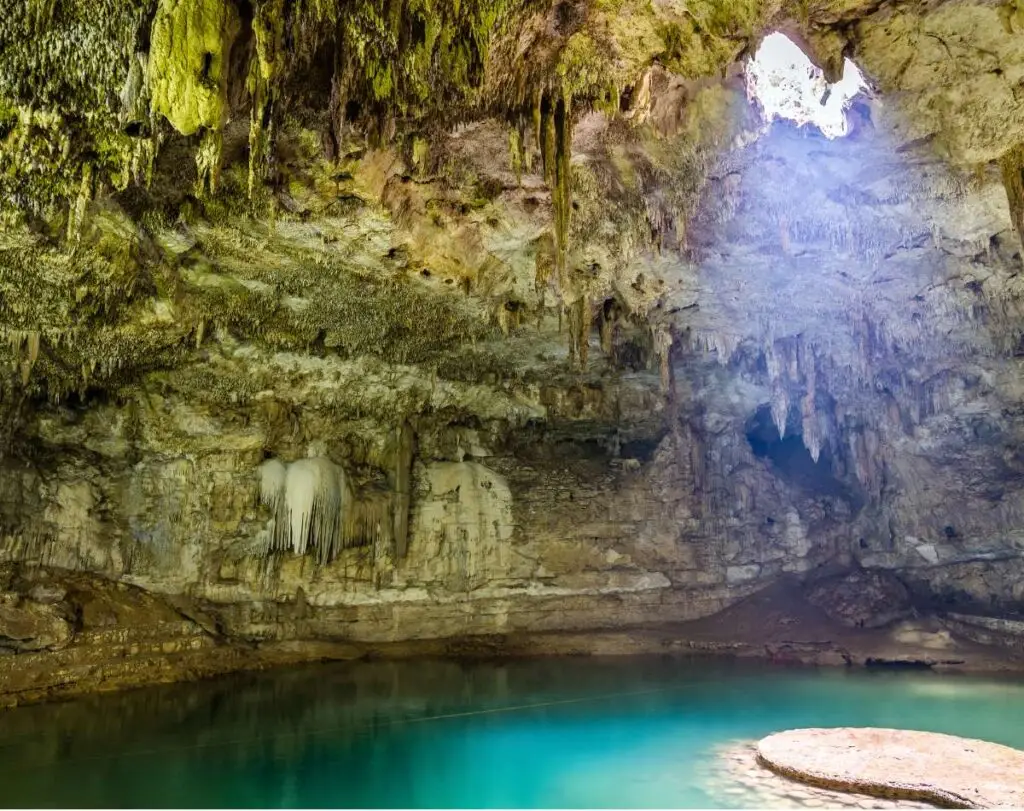
If any cenote has taken over Instagram, it’s Cenote Suytun. This striking enclosed cenote is known for its circular stone platform extending out over the water, and for the beam of light that streams in through the opening in the ceiling, lighting up the center like a natural stage.
Located near Valladolid, this was a sacred site for the ancient Maya, who believed these bodies of water were portals to the underworld. The water is deep and noticeably colder than at other cenotes.
The water is a beautiful turquoise blue, and the stone platform stretching out over it adds a magical touch. If you’re into photography, you’ll love the shots you can get here — especially when the light filters through the ceiling opening.
The downside is that it gets very crowded, especially between 11:30 and 13:00 when the sun is high and creates that famous light beam. Entrance is around 120 MXN and includes a life jacket, which is mandatory here.
Cenote Azul
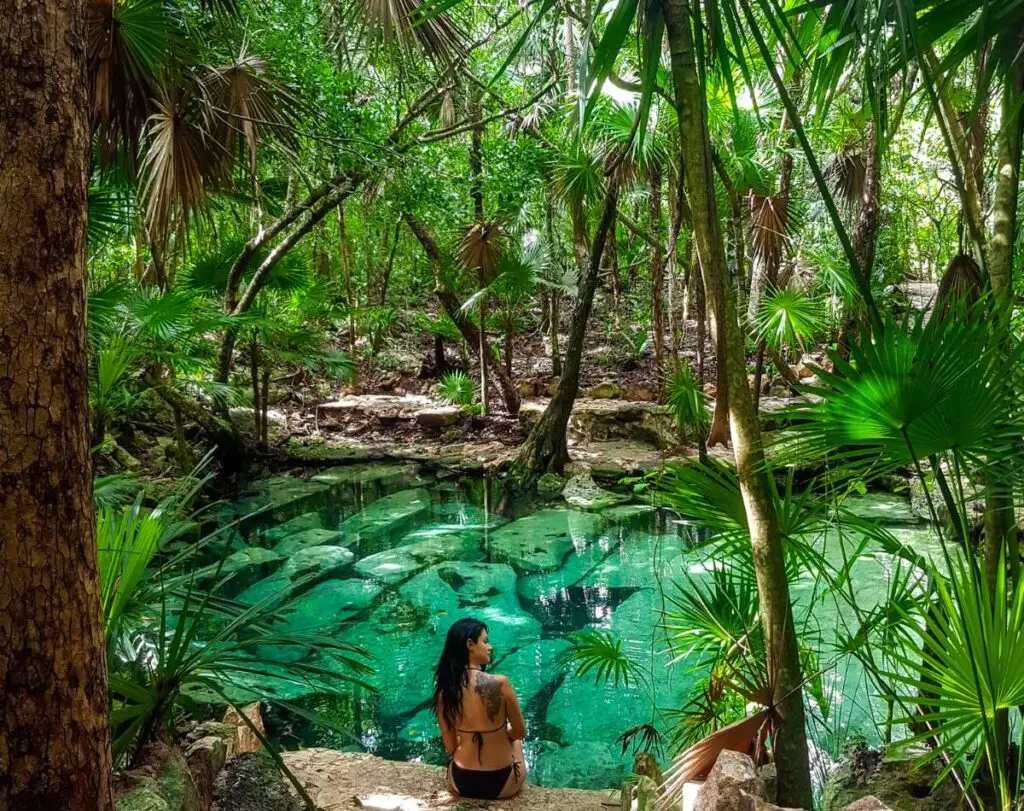
If you’re looking for an open cenote surrounded by vegetation with different depth levels, Cenote Azul is the one. Located near Playa del Carmen, it works for all ages and swimming abilities.
What makes it special is that it has several sections, from shallow areas great for kids to deeper spots where you can snorkel. The water clarity is impressive — you can see the rocks on the bottom and even your own silhouette as you swim.
The vibe here is very family-friendly, but adults will enjoy it too — snorkeling, or jumping from the diving platform about 4 meters up. It’s a cenote you can easily spend the whole day at, though I’d recommend arriving early to secure a good spot, since there are no lockers. Entrance is around 120 MXN.
Cenote Zacil-Ha
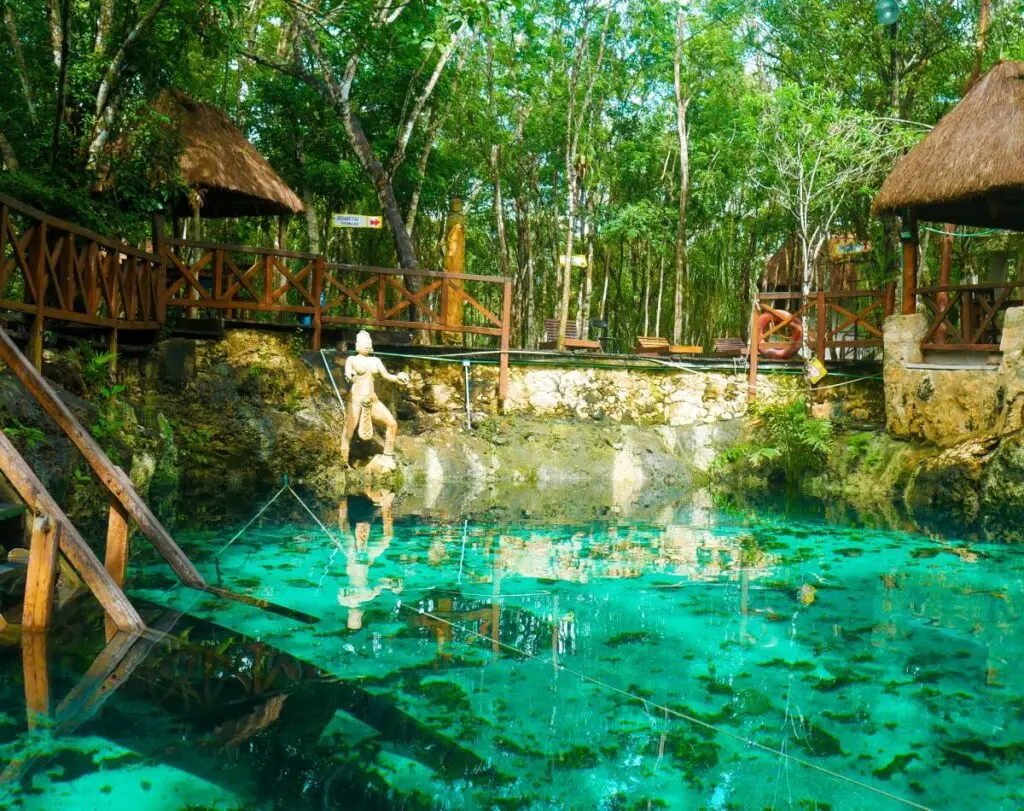
This is a small, open cenote just a few minutes from Tulum. Its name means “clear water” in Maya, which tells you exactly what to expect — turquoise, incredibly transparent water.
Unlike some of the deeper or darker cenotes, Zacil-Ha has an average depth of around 3 meters, making it a great option for anyone who’s not comfortable swimming where they can’t see the bottom.
It’s one of the quieter ones on this list, so the atmosphere is much more relaxed. It also has a zip line over the water and two artificial pools for extra fun. Entrance is around 80 MXN, though the zip line costs extra. There’s a restaurant, bathrooms, and changing rooms, so it’s a comfortable spot to spend the day.
Casa Cenote
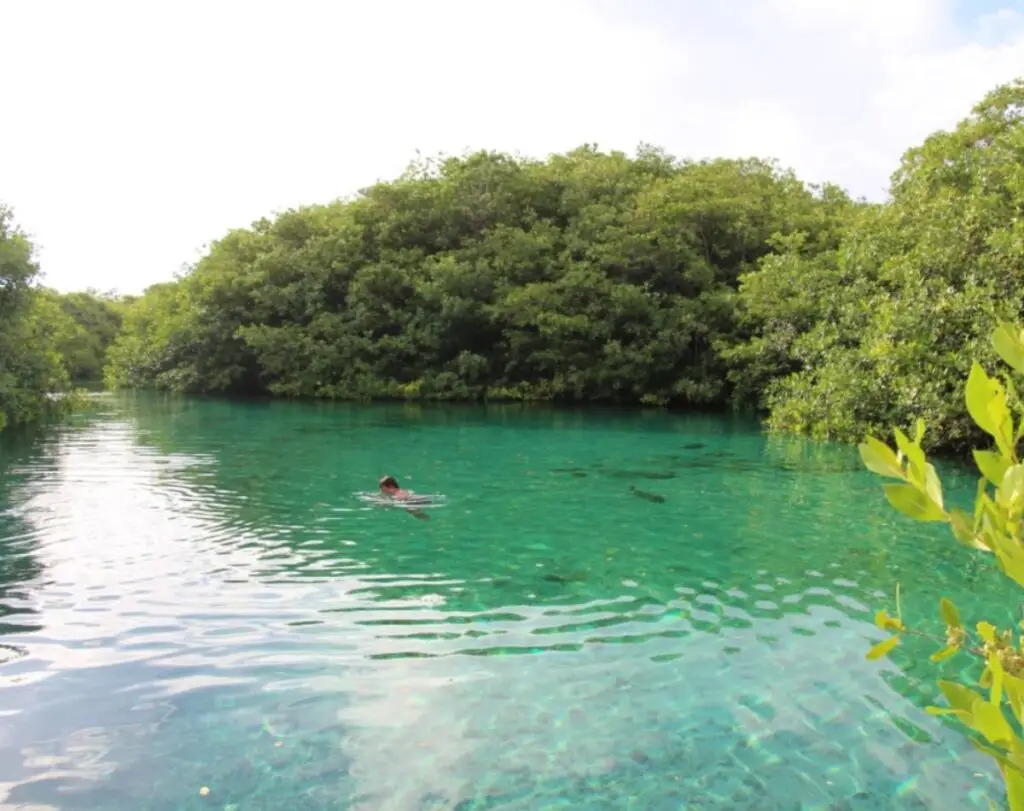
This one is completely different from the rest. Instead of being inside a cave or a open pit, Casa Cenote is shaped like a river and surrounded by mangroves.
It’s located near Tulum and is known for its mix of fresh and salt water, since it connects with the sea through underground tunnels.
It’s great for snorkeling — visibility is excellent and you can spot fish, crabs, and even manatees during certain seasons. You can also explore it by kayak or paddleboard, which makes it unlike anything else on this list.
It’s far less visited than the others, which gives it a much more authentic feel. Entrance is around 150 MXN. If you go, don’t forget biodegradable mosquito repellent — being in a mangrove area, you’ll run into plenty of them.
As you can see, cenotes come in all shapes and forms, so you really can’t say “seen one, seen them all.” It’s a one-of-a-kind way to experience nature that you can only do in this part of Mexico — so make sure you fit at least one cenote visit into your itinerary when you’re in the area.