Mexican cuisine is far more than just food , it’s a vibrant expression of the country’s history, culture, and traditions. Every dish carries a piece of history, a glimpse of tradition, and often, a story passed down through generations. Whether you’re grabbing a bite at a busy market stall or sitting down at an elegant restaurant, you’re tasting more than ingredients, you’re tasting Mexico itself.
Mexico: A unique flavor in every region
This country is huge, and the food scene reflects that. Each region has its own flair, sometimes so distinct it feels like you’re crossing culinary borders. Up north? Think juicy grilled meats and soft flour tortillas. Down south? It’s all about corn, moles, and stews infused with layers of spice. It’s this patchwork of regional flavors that makes exploring Mexican food such a fascinating (and delicious) journey.
Let’s dig into some of the most beloved dishes in Mexico and discover what makes each one special, from ingredients to origins to cultural meaning.
Tacos
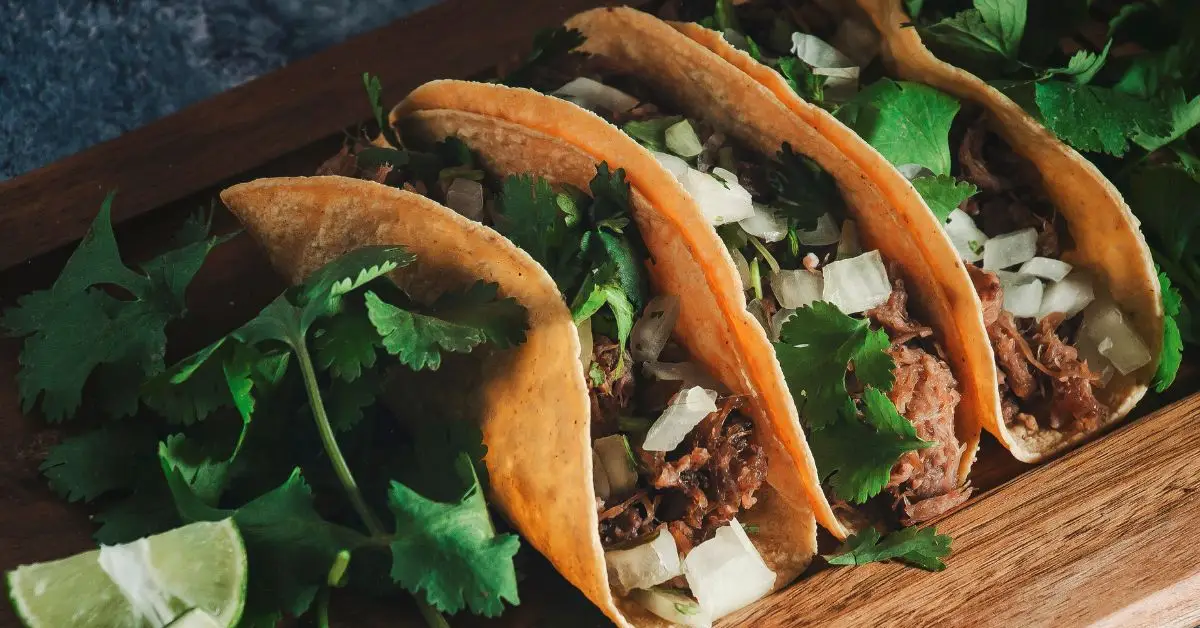
Tacos are synonymous with Mexican food. This simple yet flavorful dish consists of corn or flour tortillas filled with a variety of ingredients that vary by region. Some of the most beloved variations include:
Tacos al Pastor
Inspired by Middle Eastern cuisine, these tacos feature pork marinated in achiote, spices, and pineapple juice. The meat is cooked on a vertical spit (similar to shawarma) and served in corn tortillas with pineapple, onion, and cilantro. The result is a perfect balance of sweet and savory flavors.
Barbecue tacos
Originating in central Mexico, barbacue tacos are made with lamb (or sometimes beef) slow-cooked in underground pits, traditionally wrapped in maguey leaves. The meat becomes incredibly tender and juicy. These tacos are typically topped with spicy salsa and a splash of lime and are often reserved for special family gatherings.
Fish tacos
A staple in Baja California, these tacos feature battered or grilled fish served in corn or flour tortillas, topped with shredded cabbage, a tangy lime mayo, and spicy salsa. They’re perfect for those craving something light and refreshing.
Carnitas tacos
From the state of Michoacán, carnitas are made by slow-cooking pork in its own fat along with citrus and spices. The result is tender, flavorful meat that’s typically served in tacos with green or red salsa, onions, cilantro, and a crunch of pork rinds.
Stew tacos
These are the soul of local eateries and markets. Filled with homemade stews like pork crackling in green sauce, mole, rajas with cream, potatoes with chorizo, or even scrambled eggs with cactus, they offer a comforting and affordable taste of Mexican home cooking.
Suadero tacos
A street food favorite in Mexico City, suadero tacos are made with a tender, juicy cut of beef slowly cooked and served in small corn tortillas with salsa, onion, and cilantro.
What makes tacos truly special is their versatility and the salsas that come with them, ranging from mild and creamy to fiery and bold.
Cochinita Pibil
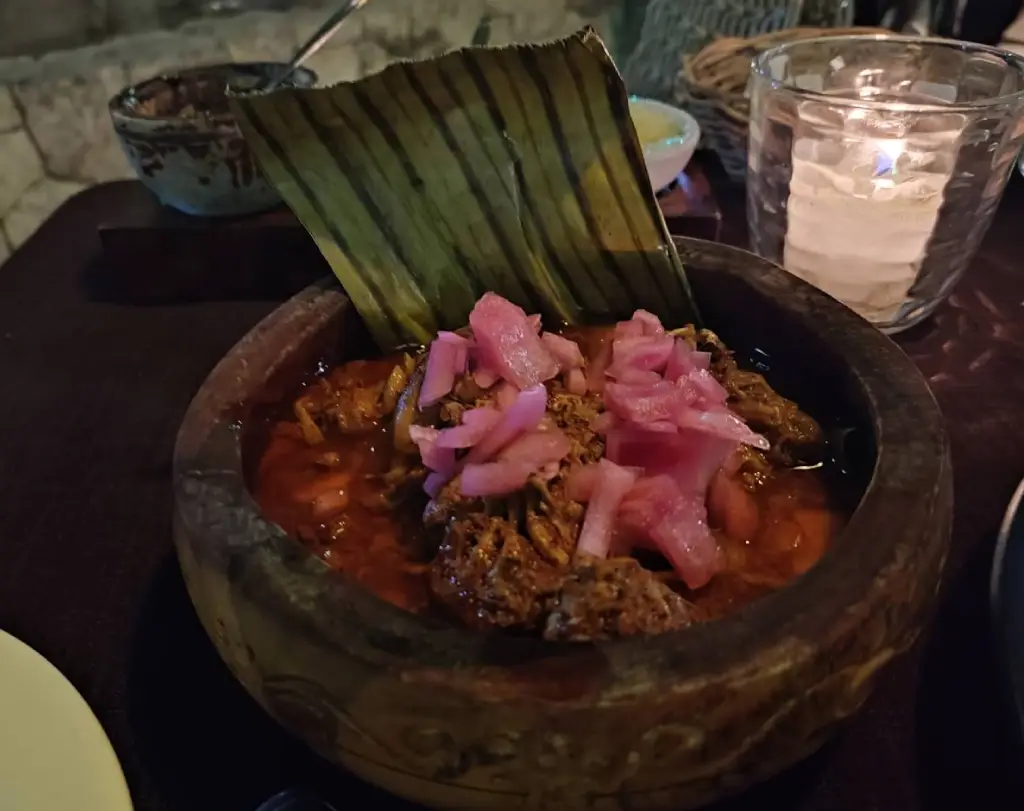
A personal favorite, cochinita pibil is a traditional dish from Yucatán with deep pre-Hispanic roots. It features pork marinated in achiote paste, bitter orange juice, and spices, then wrapped in banana leaves and slow-cooked in an underground oven known as a pib.
When prepared this way, the meat becomes incredibly tender and flavorful. It’s typically served with pickled red onions and habanero chile, offering a perfect blend of tangy, spicy, and juicy.
Birria
Another favorite of mine is birria, a slow-cooked stew traditionally made with goat, though beef or chicken are also common. Originating from Jalisco, this dish is packed with flavor thanks to a rich blend of chiles and spices.
Birria is often enjoyed at weddings or special celebrations. The meat is so tender it falls apart with a fork, and the broth is perfect for dipping warm tortillas.
Chilaquiles
A must-try Mexican breakfast dish, chilaquiles consist of fried tortilla chips drenched in red or green salsa, topped with cream, cheese, onions, and often eggs or shredded chicken.
It might feel like a bold choice for breakfast if you’re not used to it, but it’s a deliciously satisfying way to start the day. Its popularity lies in its simplicity and adaptability: you can add avocado, beans, or your own favorite toppings.
Pozole
Pozole is a traditional soup made with large hominy corn kernels that are cooked until they bloom like flowers. Typically prepared with pork or chicken, it’s served with shredded lettuce, radishes, onions, oregano, lime, and salsas to taste.
With roots in pre-Hispanic ceremonial rituals, pozole is now a beloved dish for holidays like Independence Day and family gatherings.
Tamales
Tamales are a staple of Mexican cooking and a symbol of togetherness. Made with corn dough and filled with meats, chilies, beans, or sweet ingredients like raisins and chocolate, they’re steamed in corn husks or banana leaves.
Every region has its own take, such as the soft and savory banana leaf-wrapped tamales from Oaxaca. What makes tamales truly special is not just the flavor, but the tradition of making them as a family.
Chiles in nogada
A culinary masterpiece from Puebla, chiles in nogada features poblano peppers stuffed with a sweet-and-savory mix of ground meat, fruits, and spices. They’re topped with a creamy walnut sauce, pomegranate seeds, and parsley, the colors of the Mexican flag.
This elegant dish is especially enjoyed in September during the country’s patriotic celebrations.
Elotes & esquites
No talk of Mexican food is complete without elotes and esquites: two versions of corn street snacks. Elote is the whole cob, while esquites are corn kernels served in a cup.
Both are typically slathered with mayo, cheese, chili powder, and lime, an irresistible mix of textures and flavors. Whether grilled or boiled, they’re the perfect street food treat.
The heart of mexican cuisine: The tortilla
In Mexico, tortillas are more than just a side , they’re the foundation of the country’s culinary identity. Made primarily with nixtamalized corn, tortillas are the base for iconic dishes like tacos, enchiladas, quesadillas, tostadas, and chilaquiles.
In many communities, tortillas are still made by hand using a metate (grinding stone) and cooked on a comal (flat griddle), preserving an ancient tradition and a unique flavor.
One of the most fascinating things about tortillas is their variety of colors (white, yellow, red, and blue) depending on the type of corn used. Blue corn tortillas, for example, are not only visually striking but also rich in antioxidants and flavor.
Thanks to their versatility, tortillas are perfect for any meal, from a simple breakfast with beans to a feast with cochinita pibil. This essential food is, without a doubt, a true symbol of Mexican cuisine.
A culinary journey through culture and history
At the heart of Mexican cuisine are native ingredients like corn, chiles, beans, and avocados. Combined with fresh herbs, spices, and local products, they create a flavorful, nutritious, and culturally rich gastronomy.
Traditional Mexican food is more than just a meal, it’s a sensory experience that connects people with their heritage. From Yucatán’s cochinita pibil to Mexico City’s street corn, each dish celebrates the country’s cultural richness and culinary creativity.
If you get the chance, try each dish in its region of origin. It’s there, among the smells, flavors, and warm hospitality that you’ll understand why Mexican cuisine is recognized as a UNESCO Intangible Cultural Heritage of Humanity.