Mezcal is about as Mexican as a drink gets, with plenty of history, flavor, and tradition behind it. Abroad, tequila usually gets all the attention, but mezcal keeps winning people over with its smoky flavor and how well it works in so many settings. Here’s what mezcal is, how it’s made, the types you’ll find, and why spirit lovers everywhere are paying attention to it.
The origins of mezcal: An ancestral tradition
Mezcal’s story goes way back, all the way to pre-Hispanic Mexico. Its name comes from the Nahuatl word mexcalli, which means “cooked maguey.” Long before distillation arrived, Indigenous communities were already fermenting agave to make drinks for sacred rituals and celebrations. When European techniques showed up, those old brews turned into what we now call mezcal.
Mezcal has Denomination of Origin status, so it can only be made legally in certain parts of Mexico, like Oaxaca, Guerrero, Durango, Zacatecas, and Puebla. Each region gives it a different character, depending on the local agave species and the production methods that have been handed down for generations.
How is mezcal made?
A lot of what makes mezcal special comes down to traditional craft. Tequila is often produced in massive facilities. Mezcal is usually made in small batches by artisans. It all starts with agave, especially varieties like espadín and tobalá.
Roasting the agave: The agave hearts, called piñas, are slow-roasted in rock-lined pits dug into the ground. That’s where mezcal gets its smoky kick.
Crushing and fermenting: After roasting, the softened piñas are crushed, often with a giant stone wheel called a tahona. The mash is then left to ferment naturally in open wooden vats.
Distillation: The fermented juice is distilled in copper or clay stills, depending on local custom.
The whole process is slow and mostly done by hand, and that’s a big part of why every bottle tastes so rich and so different.
The flavor of mezcal: A unique experience
Mezcal tastes like nothing else. It’s complex, bold, and layered. You might pick up sweetness, herbs, smoke, or even earthy, mineral notes. This is a spirit to sip slowly and enjoy, not something to throw back in a hurry.
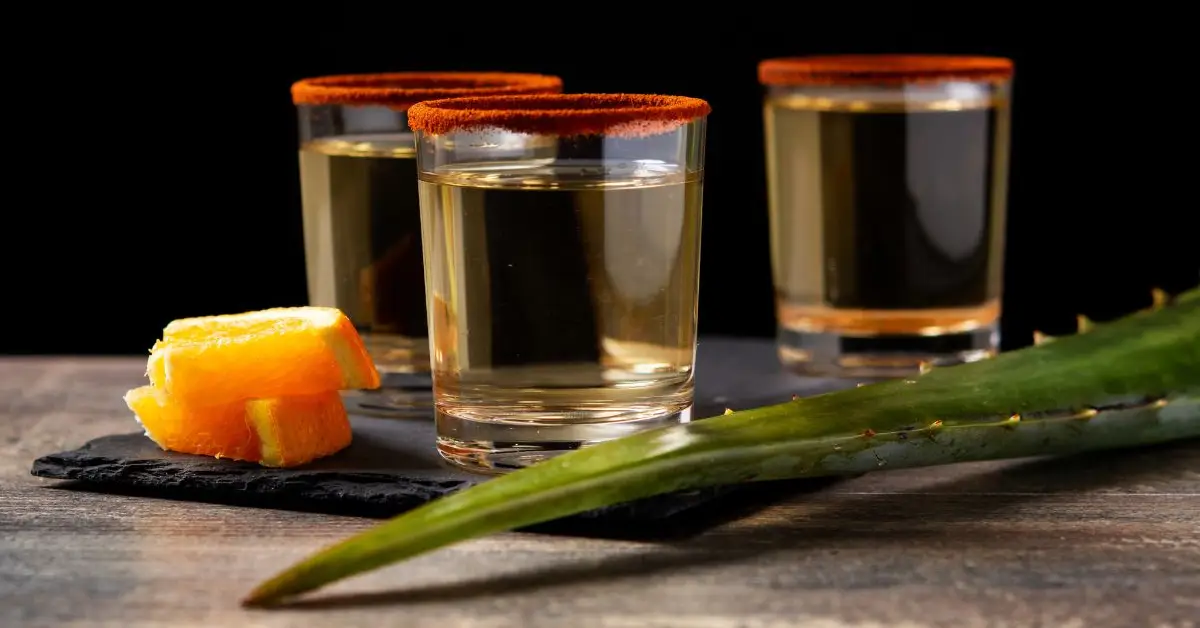
I had my first mezcal while staying in Mexico, and I’ve kept a bottle in my kitchen ever since. Its depth makes it feel more personal to me than other spirits. My favorite way to drink it is after dinner, with a slice of orange dusted in worm salt. That combo brings out the smoky notes, and the citrus and salt cut through it with a nice contrast. It’s become my little post-meal ritual.
Types of mezcal: Classification by aging
Mezcal comes in a few aging styles, and each one tastes different:
Young (joven) or white (blanco): This one is bottled right after distillation, so it keeps the raw, wild flavor of the agave. Great if you want mezcal at its purest.
Reposado: Aged two months to a year in wooden barrels. It gets a little smoother and picks up light vanilla or oak notes.
Añejo: Aged more than a year. It’s richer and deeper, with stronger wood and spice flavors.
Mezcal in mixology: Mixing innovation and tradition
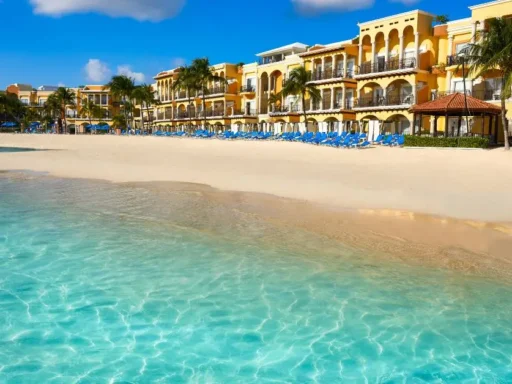
Traditionally, mezcal is served straight. No ice, no fuss. Lately, though, bartenders have been experimenting with it, especially at beach bars around Mexico.
I’ve had mezcal cocktails with mango or passion fruit, and they’re pretty refreshing. They’re ideal if you want something fruity with a smoky backbone. That said, I wouldn’t sip those flavored mezcals on their own. They work much better mixed into a well-balanced drink.
The price of mezcal: Something for every budget
Mezcal isn’t cheap, but it doesn’t have to break the bank either. Prices depend on the agave type, how it’s made, and who makes it. Bottles usually run anywhere from 500 pesos to several thousand.
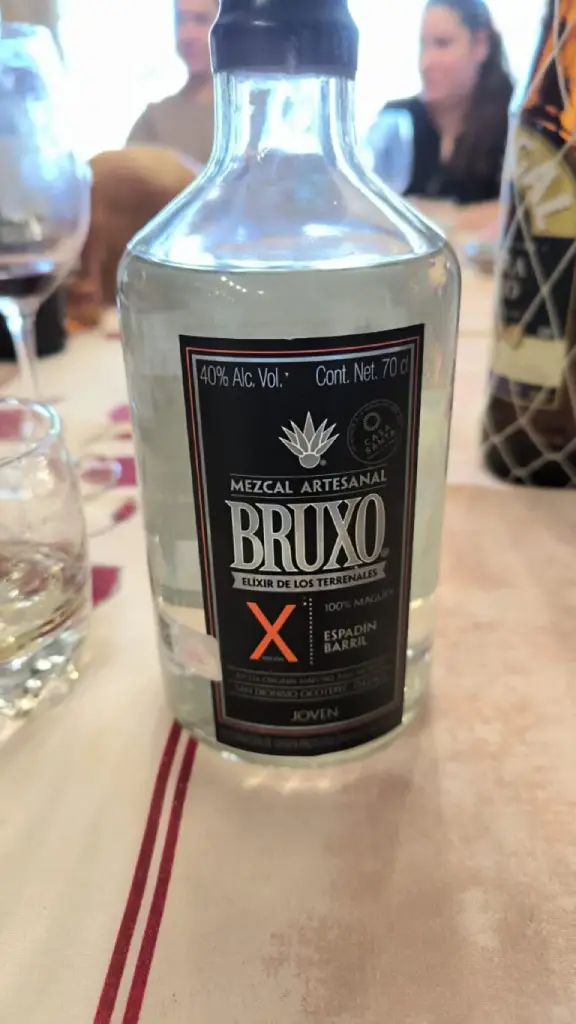
In the mid-range, my go-to brands are Ojo de Tigre and Bruxo. Both hit a good balance between price and quality.
Mezcal vs. tequila: Key differences
They’re both made from agave, but mezcal and tequila are pretty different animals:
Agave type: Tequila is made only from blue agave. Mezcal can be made from more than 30 varieties.
Cooking method: Tequila is steamed in ovens. Mezcal is roasted underground, and that’s where the smoky flavor comes from.
Geographic origin: Each one has its own designated regions where it can be produced.
In my book, mezcal just has more personality. It’s gutsier, smokier, and more versatile. It’s the kind of drink you remember.
More than a drink: Mezcal as a cultural symbol
To me, mezcal is a lot more than a drink. It’s a piece of Mexico’s soul. Every bottle carries the land, the people, the tradition, and all the time it takes to make it right.
Sip it neat, with orange and worm salt, or in a creative cocktail. Either way, mezcal gives you an experience, not just a buzz.
So next time you want something with character and roots, order a mezcal. As they say in Mexico: “Para todo mal, mezcal. Y para todo bien, también” (For everything bad, mezcal. And for everything good, too.)