If you’re traveling to Yucatán, visiting Chichén Itzá is practically a must. It’s one of the most legendary historical sites in the world. It sits right in the middle of the Yucatán Peninsula and mixes ancient engineering, incredible design, and that unmistakable Maya mysticism. In this guide, I’ll share my own experience along with practical tips so you can make the most of your visit.
A bit of history about Chichén Itzá
Chichén Itzá was founded around 525 AD and became a major player in the Maya world, both politically and spiritually. It was built near natural sinkholes (cenotes) that gave it a reliable water source, and that helped it grow into a key stop on the Mesoamerican trade network. The architecture is impressive. The Maya built a lot of astronomical knowledge and mathematical precision into it, and you can tell.
At its peak, Chichén Itzá absorbed Toltec influences, which you can still see in structures like the Temple of the Warriors and the Thousand Columns. The worship of Kukulkán, the feathered serpent god, shows how Maya and Toltec cultures blended here. That makes Chichén Itzá a great example of cultural exchange in ancient Mesoamerica.
The Maya believed the Sacred Cenote was a direct portal to the underworld. People threw in all sorts of offerings to Chaac, the god of rain: gold, ceramics, and even human sacrifices. The Temple of Kukulkán and El Caracol (the Observatory) show just how well the Maya tracked the sky. Both line up perfectly with the equinoxes and solstices.
The city declined in the 13th century, likely because of internal conflicts and climate shifts, but it stayed a sacred site. Today it’s a UNESCO World Heritage Site and one of the New Seven Wonders of the World, and it still draws millions of visitors with its history, monumental architecture, and cultural legacy.
General information: prices, hours, and more
A little planning goes a long way at Chichén Itzá. Here’s all the practical info you need:
Opening hours:
- Open every day from 8:00 a.m. to 5:00 p.m.
- Last entry is at 4:00 p.m. (but I really recommend getting there much earlier)
- Night Show “Nights of Kukulkán”: A light and sound show held in the evenings. Times can change by season, so check before you go.
Entrance fees:
- Foreign visitors: $614 MXN (about $35 USD). That covers both a state fee and a federal fee, and you’ll have to buy two separate tickets at the same spot.
- Mexican citizens with ID: $172 MXN on regular days, and free on Sundays for Mexican citizens and permanent residents.
- Children under 13: They get in free.
Important tip: Bring cash, because the card machines are sometimes down. Parking costs around $80 MXN.
How to get there:
- From Cancún or Playa del Carmen: Take Highway 180D, the toll road. The drive is about 2.5 hours. You can also take an ADO bus, which drops you off near the site.
- From Mérida: It’s about 1.5 hours by car on the same toll road. You’ll also find tours leaving from the city.
On-site services:
- Parking: There’s a big official parking lot right next to the entrance. You’ll pass unofficial lots on the way in. Ignore them and keep going to the official one.
- Restaurants: There are places to eat nearby, especially in the town of Pisté.
- Official Guides: You can hire one at the entrance for an extra fee (usually between $600 and $1,000 MXN, depending on group size and language).
Best time to visit:
- High Season (December to April): Drier weather, but bigger crowds.
- Low Season (May to October): Fewer tourists, but expect heat and rain.
Getting to Chichén Itzá
There are two main ways to visit Chichén Itzá: on a guided tour or on your own.
- Guided Tours: They’re convenient, since transport and logistics are taken care of. But they usually cost more and you have to stick to the group’s schedule. One thing I noticed is that a lot of tour buses arrive at the same time, and the site gets packed.
- Independent Visit: This is the best option if you’re a bit more adventurous. If you rent a car or hire a private driver, you can get there early, enjoy the cooler morning, and beat the crowds. Watch out for unofficial vendors and parking attendants along the road. Stick to the official lot right at the entrance.
What to see at Chichén Itzá
The site is huge and there’s a lot to explore. These are the must-sees:
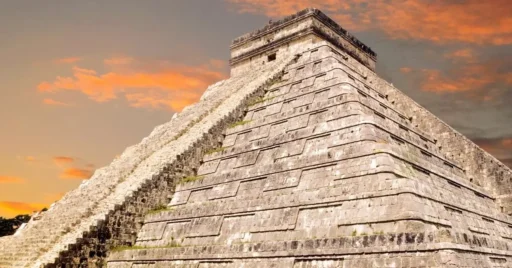
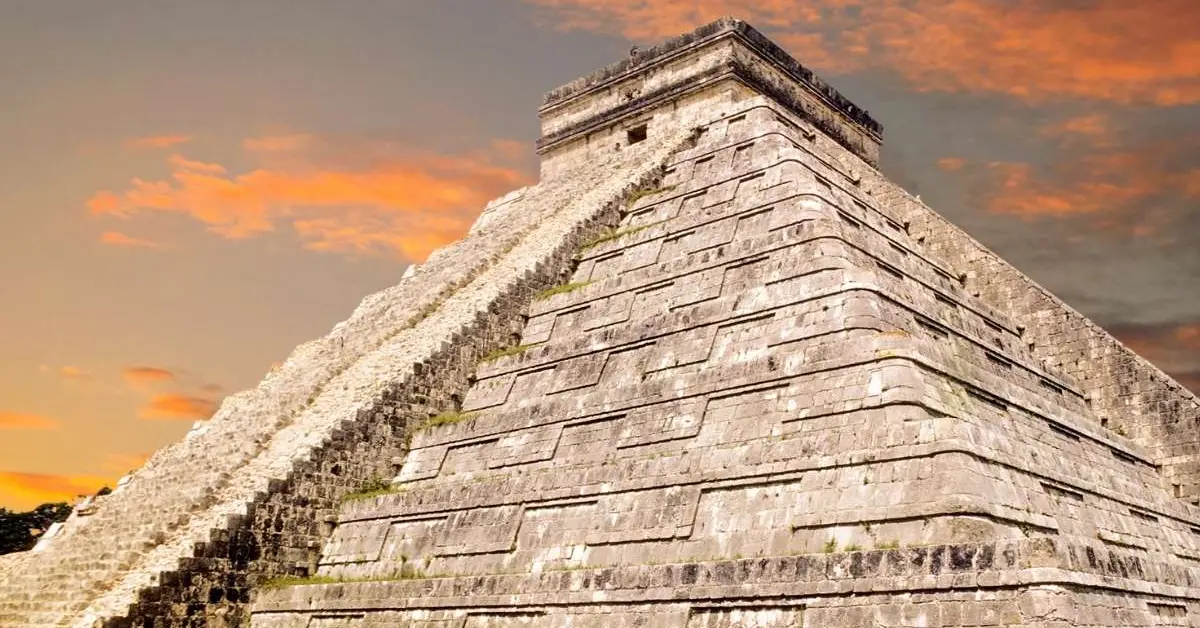
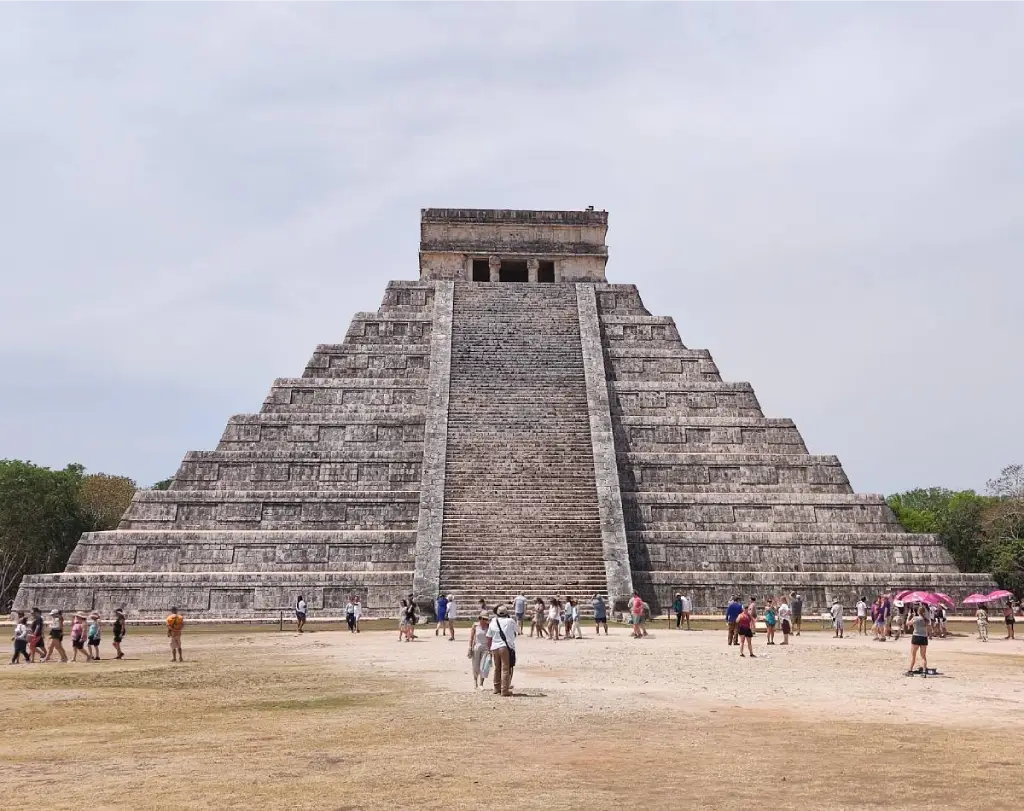
- Temple of Kukulkán: The site’s crown jewel and its most photographed structure. It’s a masterpiece of Maya architecture.
- The Great Ball Court: The largest in Mesoamerica, covered in detailed carvings of ceremonial scenes.
- Sacred Cenote: The Maya used it for sacrifices and offerings, and it still carries a lot of historical and spiritual weight.
- El Caracol (The Observatory): Proof of how advanced Maya astronomy really was.
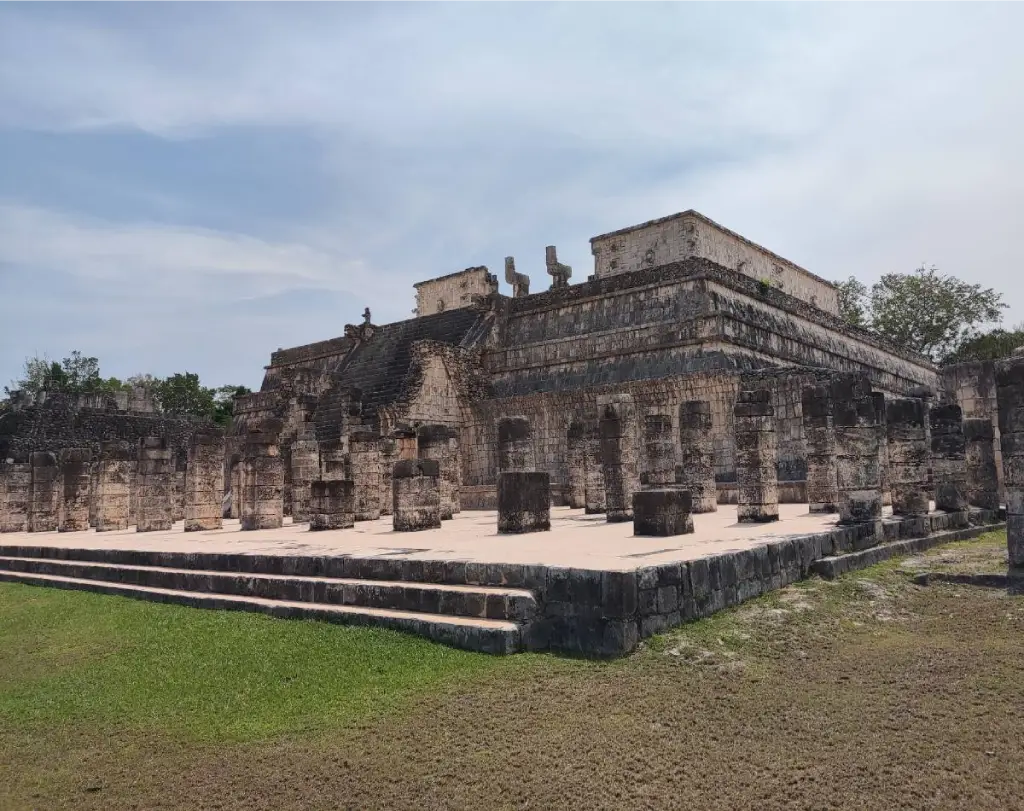
- Temple of the Warriors and the Thousand Columns: A majestic complex that sticks with you long after you leave.
Practical tips for your visit
I’ve been to Chichén Itzá three times, and these are my top recommendations:
- Arrive Early: If you get there before 9:00 a.m., you’ll skip the crowds and the worst of the heat. You’ll be able to enjoy key spots like the Temple of Kukulkán in peace.
- Wear Comfortable Shoes: You’ll walk a lot on uneven ground, so good sneakers are a must.
- Sun Protection: The Yucatán sun is brutal. Wear a hat, light long sleeves, and sunscreen, and keep drinking water. Bring your own bottle so you don’t pay the high prices on-site.
- Hire a Guide: If you can, get an official guide or read up on the site before you go. You’ll understand what you’re looking at and enjoy it a lot more.
- Shop at the End: Vendors inside the site sell crafts and souvenirs. Prices can look tempting, but be ready to haggle. And don’t buy early on, because carrying souvenirs around for the whole visit is a pain. Watch the materials too. Some pieces sold as silver are actually alpaca, and they tarnish quickly.
- Respect the Site: Chichén Itzá is sacred to the Maya people. Don’t litter, don’t climb the structures (it’s prohibited), and treat the staff with kindness and respect.
My personal experience at Chichén Itzá
Every time I’ve gone to Chichén Itzá, I’ve rented a car and spent the night before in Valladolid, about an hour away. I always try to get there right when the gates open. My first stop is the Temple of Kukulkán. Early in the morning it’s quiet, and it feels magical. You hear the birds, and you can feel the energy of the place.
I always bring water and wear a hat, and I’d tell anyone visiting to do the same. On my first visit, I hired a local guide who helped me understand the historical and spiritual meaning of each structure. I loved picturing how the Maya used this city as a ceremonial center and also as a place to connect with the cosmos.
Visiting Chichén Itzá is something you won’t forget. Whether you go with a tour or on your own, good planning makes all the difference. With these tips and a bit of prep, I’m sure you’ll have an amazing trip. 🌞