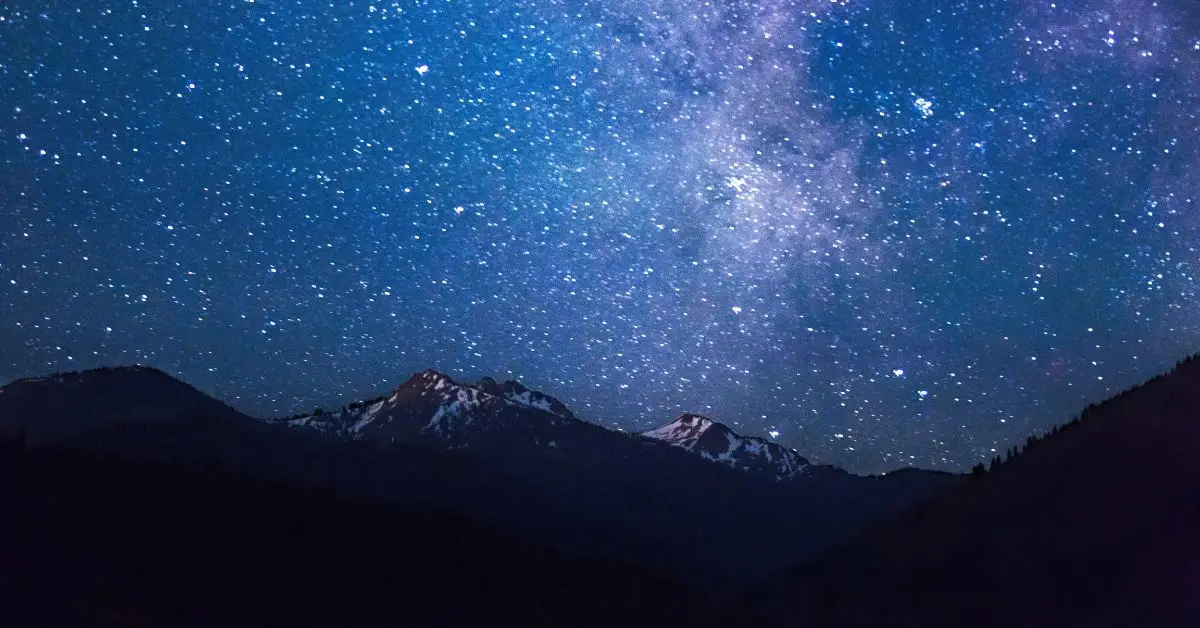
Mexico isn’t just famous for its beaches, its food, and its Magical Villages. It’s also a hidden paradise for anyone looking to stare up at a sky full of stars. Astrotourism — traveling with the night sky as the main event — is growing fast across the country. I discovered that firsthand after visiting several destinations where darkness is the whole point and the sky becomes the absolute star of the trip.
What is astrotourism and why is it so popular in Mexico?
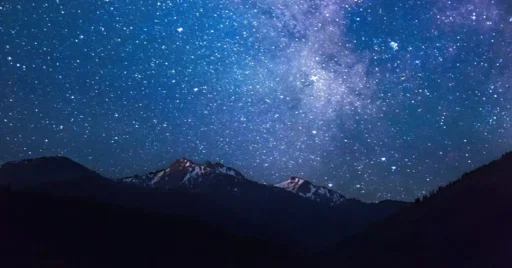
Astrotourism — or astronomical tourism — is a way of traveling where the main goal is observing the sky, far from the light pollution of cities. It can be as simple as a night under the stars or as specialized as visiting professional observatories and attending astronomical events. In many cases, it goes hand in hand with photography, trying to capture moments in the sky that can’t be replicated anywhere else.
It’s gained popularity in recent years because it combines the best of two worlds: nature and science. There’s also a strong emotional pull to it. Watching the night sky in complete silence, surrounded by untouched landscapes, has something almost overwhelming about it. It makes you feel small, connected, and fully present. In Mexico, this practice is growing, especially in places that have managed to preserve their environmental purity.
If you consider how deeply pre-Hispanic cultures were tied to the sky and the stars, this feels like something that should come naturally to Mexicans. It’s not yet mainstream, but it’s steadily gaining ground — and the good news is that it fits perfectly within almost any other kind of trip.
Mexico: a country where the skies tell stories
Mexico has an underused treasure when it comes to astrotourism: its enormous variety of landscapes and the sheer number of corners where light pollution simply doesn’t exist. You can spend the night under a starry sky at the top of a snow-covered volcano, lose yourself in the vastness of a silent desert, or let the calm of a dense forest wrap around you. And the best part is that each place puts its own stamp on the experience.
There’s also something that can’t be overlooked: many of Mexico’s indigenous communities have always had a very real relationship with the sky. It’s not decorative or romantic — it’s part of how they understand the world. Walking through those territories with a clean sky overhead is, in some way, getting a glimpse into a way of thinking that doesn’t revolve around clocks or modern calendars, but around cycles that are watched, felt, and respected. That’s where the trip changes: it’s no longer just about looking at stars, it’s about trying to understand why they matter.
The best destinations for astrotourism in Mexico
San Pedro Mártir National Park, Baja California
This park has something very special: its altitude and location give it one of the cleanest skies in the northern hemisphere. Access is tightly controlled and, as a protected area, the environment stays almost completely intact — no visual clutter, no city noise. It’s the kind of place for those who want more than just stargazing. Here, nature, science, and a touch of adventure all come together.
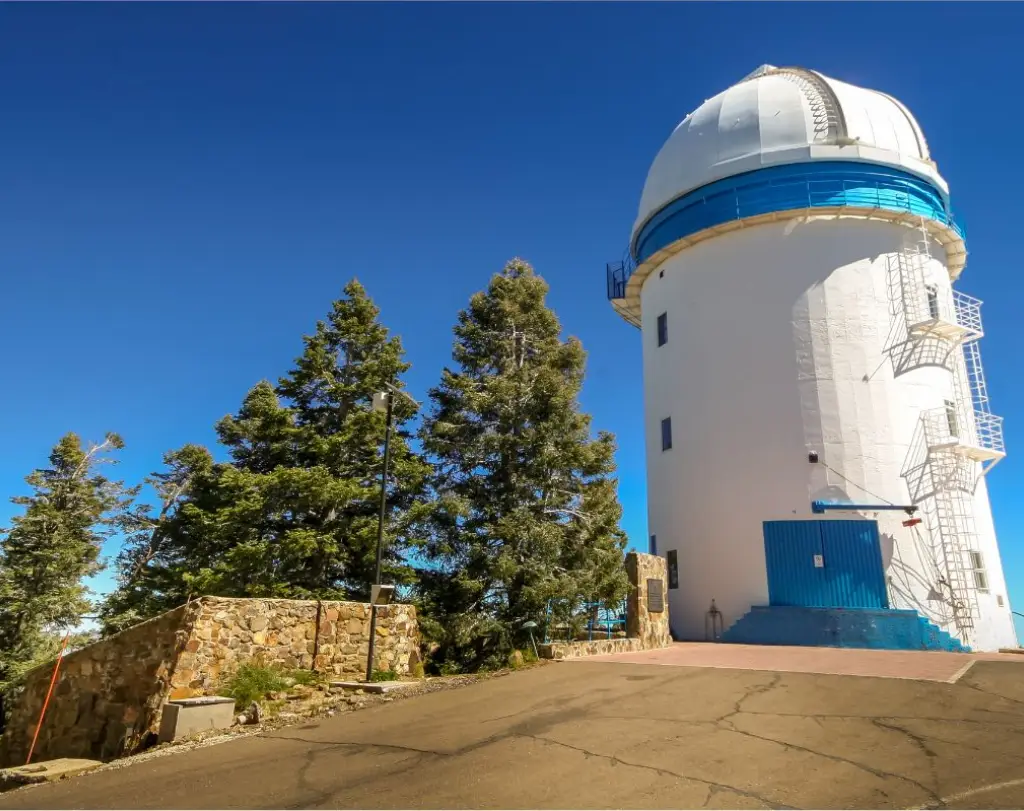
Going to San Pedro Mártir National Park feels like stepping into a completely different world. It’s far from everything, completely quiet, surrounded by enormous pine trees, with the shadow of Picacho del Diablo dominating the landscape — the highest peak in Baja California, and it commands attention. Right there, you can visit the National Astronomical Observatory, a place that doesn’t just look impressive but actually lets you peek into the scientific work being done with the telescopes. The views from the observatory terrace are extraordinary. The night I went, the sky was so clear I ended up picking out constellations I didn’t even know existed. And if you like exploring, the park also has trails for hiking and cycling, where you can get genuinely lost among trees and silence.
El Chico National Park, Hidalgo
This destination is ideal for anyone who wants to try astrotourism without committing to a long trip. It’s just a short drive from Pachuca and pretty close to Mexico City, yet the night sky there is surprisingly clear. Everything is well set up: comfortable cabins, camping areas, and marked trails — which makes it perfect for families, couples, or groups of friends who don’t want to overcomplicate things.
At El Chico National Park, the idea is to slow down. You can stay in an eco-cabin in the middle of the forest, no rush, listening to the wind through the trees. And even though you’re relatively close to the city, the absence of artificial lights makes stargazing there a genuine surprise — even with just a basic telescope or a pair of binoculars. Walking the trails in the afternoon has its own charm, but what you really don’t forget is lying down at night, looking up, and feeling like the sky is falling toward you.
Wirikuta, San Luis Potosí
This site, sacred to the Wixárika people, isn’t just a great spot for stargazing — it feels different from the moment you arrive. There’s a heavy, quiet energy, as if the landscape itself is asking for your respect. The desert here makes no apologies: it’s vast, silent, and completely dark at night, leaving the sky exactly as it is, unfiltered. And once you understand what this place means to the people who have lived here for centuries, the experience hits differently. It’s not just looking up — it’s connecting with something much larger.
The desert changes everything. Walking there, under that enormous sky, with no noise and no lights, pulls you out of your routine all at once. And if you camp, it goes up another level: no distractions, just you, the dry cold of the night, and a sky so clear it’s almost overwhelming. But what truly makes this place special is how the Huichol people read that sky. Their relationship with nature and the stars isn’t symbolic — it’s real, everyday, alive. Listening to their stories while looking at the same stars they’ve observed for generations is something you don’t easily forget.
Nevado de Toluca
Nevado de Toluca is a destination that combines stargazing with adventure. The climb up the volcano is a physical challenge, but the views from the top are worth every step. You can explore the twin craters and walk through snow in winter. It’s not as well known for astrotourism as other spots, but the quiet surroundings and the lack of light pollution make it a solid option for enjoying the night sky.
Getting to this national park isn’t as straightforward as reaching some others, but the reward is worth every kilometer. The landscapes are striking — the kind that make you stop and stay quiet for a moment. Spending the night there, whether in a rustic cabin or a tent, is a different story entirely: the sky opens up like a huge, clear dome, letting you see every star with a sharpness you won’t find just anywhere. It’s a great plan if you like pushing yourself during the day and then going completely still at night, taking in everything the sky has to offer that you never notice from the city.
Other stellar destinations in Mexico
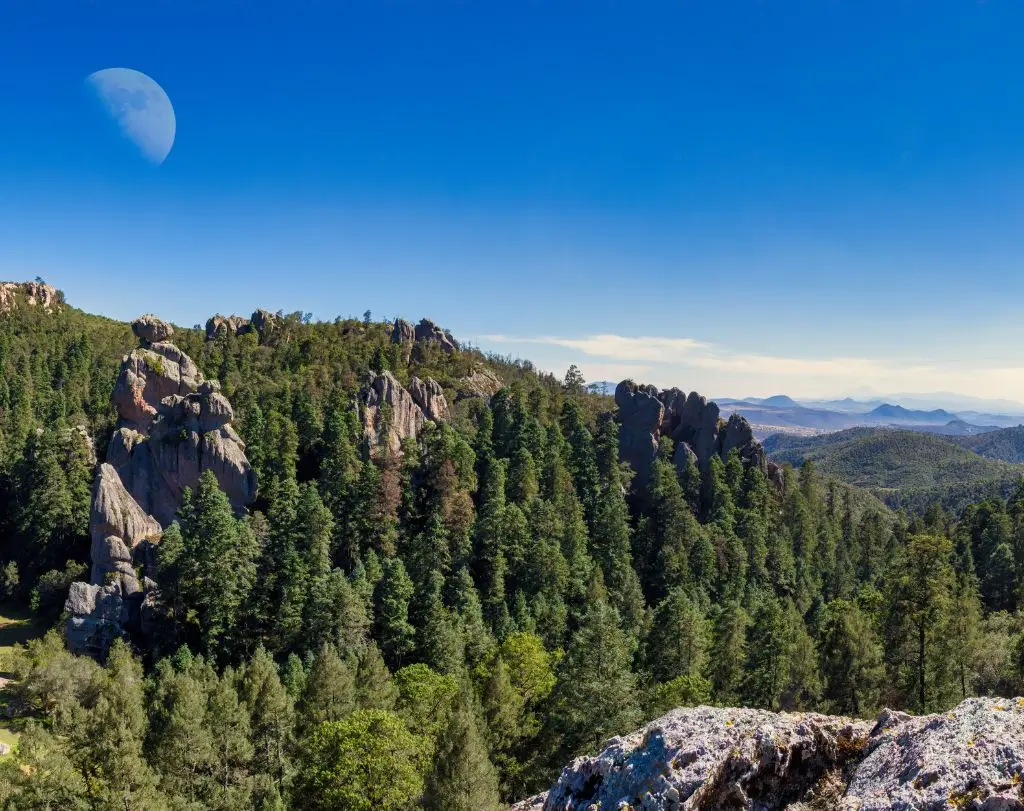
Beyond the places I visited, there are many more corners of Mexico positioning themselves as favorites for astrotourism:
- In Sonora, the Pinacate Reserve and the Altar Big Dessert offer clear skies and volcanic landscapes that look like they belong on another planet.
- In Morelos, Xochicalco is an archaeological site where astronomy played a key role in pre-Hispanic culture.
- Izta-Popo National Park and Pico de Orizaba are also excellent options for those looking for altitude, fresh air, and starry skies.
During astronomical events like eclipses or meteor showers, states such as Durango, Sinaloa, and Chihuahua have been key observation points, drawing thousands of visitors from around the world.
Tips for an astrotourism experience in Mexico
If you’re planning a stargazing trip, here are some practical tips that have worked well for me:
- Plan your trip around a new moon so the sky is completely dark.
- Bring warm layers, even if you’re heading to a desert. Temperatures can drop sharply at night.
- Avoid using white-light flashlights or checking your phone constantly. Artificial light ruins your eyes’ adjustment to the dark. Use a red light if you need to move around at night.
- Download an astronomy app that lets you identify constellations, planets, and astronomical events in real time.
- Be respectful of your surroundings. Don’t leave trash behind or build fires outside designated areas.
- If you’re visiting a sacred or culturally sensitive site, do your homework and act accordingly.
Astrotourism in Mexico: an experience that changes you
Astrotourism in Mexico isn’t just a trend. It’s a way of reconnecting with the sky, with the earth, and with yourself. Every place has its own character, and the best part is that you don’t need to be an astronomy expert to enjoy it.
From the mountains of Baja California to the sacred deserts of San Luis Potosí, I’ve found that watching the stars in these landscapes changes the way you see the world — and the universe.
If you’ve never tried it, don’t wait too long. Grab a warm jacket, fill a thermos with coffee, and listen to the night until the sky starts talking.