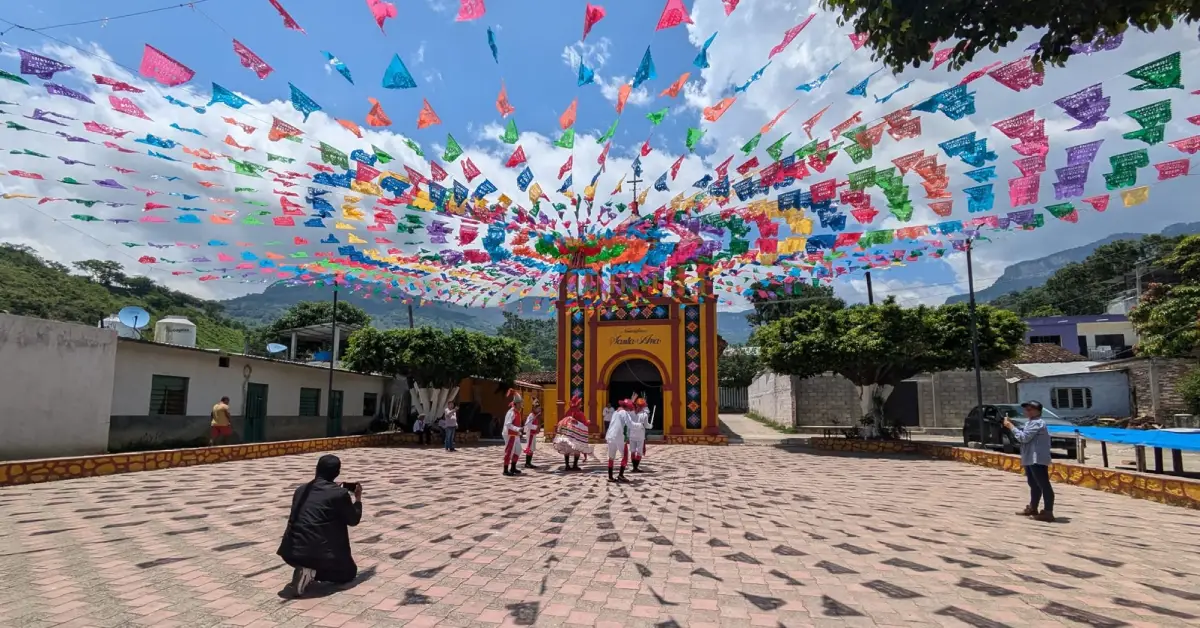
If there’s one state in Mexico that manages to captivate every traveler with its blend of history, culture, and nature, it’s Chiapas. What it offers goes far beyond impressive landscapes and outstanding food — you can feel the essence of Mexico in every corner, on every cobblestone street, in every smile from the people you meet.
Among all the destinations this state has to offer, its Magical Villages stand out as small gems packed with identity and tradition. Each one has something unique: colonial architecture, remarkable natural landscapes, local celebrations, and warm hospitality. Traveling through them feels like reading an open book on the history and culture of Chiapas.
In this article, I want to take you on a deep journey through the Magical Villages of Chiapas, sharing their main attractions and the impressions they left on me when I had the chance to visit them.
San Cristobal de las Casas
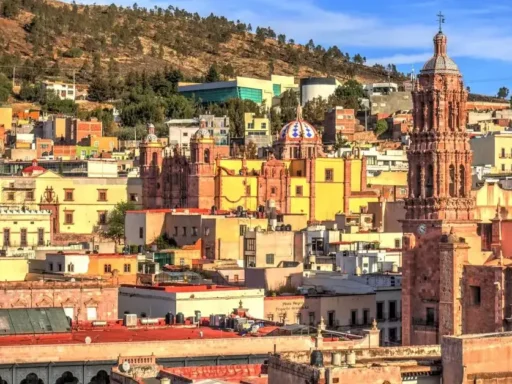
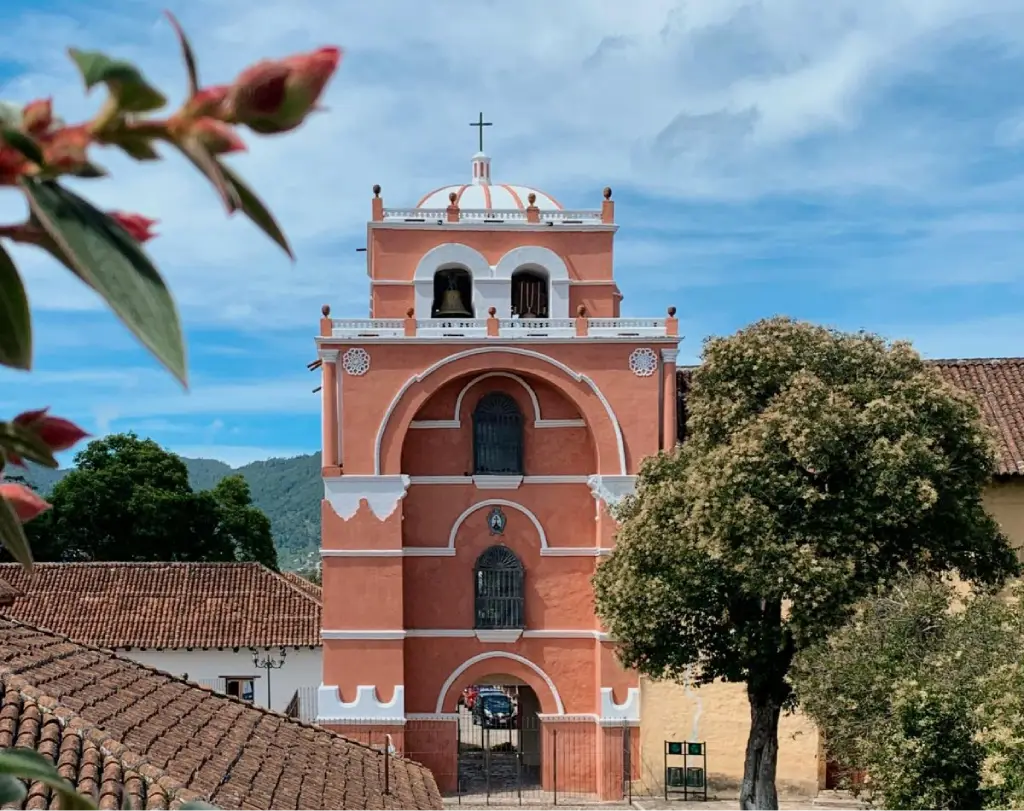
San Cristóbal de las Casas is the cultural heart of Chiapas. If I had to describe it in one word, it would be “enchanting.” It’s one of those places that, no matter how many times you visit, always has something new to offer. Founded in 1528, this city holds onto its colonial spirit with cobblestone streets, tiled rooftops, and a morning mist that gives it an unmatched, almost mystical atmosphere.
Walking through its historic center, you can take in the architecture of its old mansions and churches. The Cathedral of San Cristobal is an iconic landmark — its striking yellow-and-red façade set against the Chiapas sky is hard to forget. But what I love most about this town is the life that pulses through every corner: from the local markets to the small bohemian cafés where you can spend hours in conversation, or simply watch the world go by.
The local markets are a world of their own. You’ll find everything from handwoven textiles with Maya patterns to coffee grown in the nearby mountains. The food — like chiapaneco tamales and traditional atole — is something I never get tired of.
San Cristobal is also a cultural crossroads. Its streets are filled with artists, travelers, and indigenous communities keeping their traditions alive. The energy here is unlike anywhere else, and every time I visit, I feel like I’m at the true heart of Chiapas.
Chiapa de Corzo
If there’s a place in Chiapas where history and tradition feel truly alive, it’s Chiapa de Corzo. This town, set on the banks of the Grijalva River, is known for its architecture, its celebrations, and its proximity to the breathtaking Cañón del Sumidero.
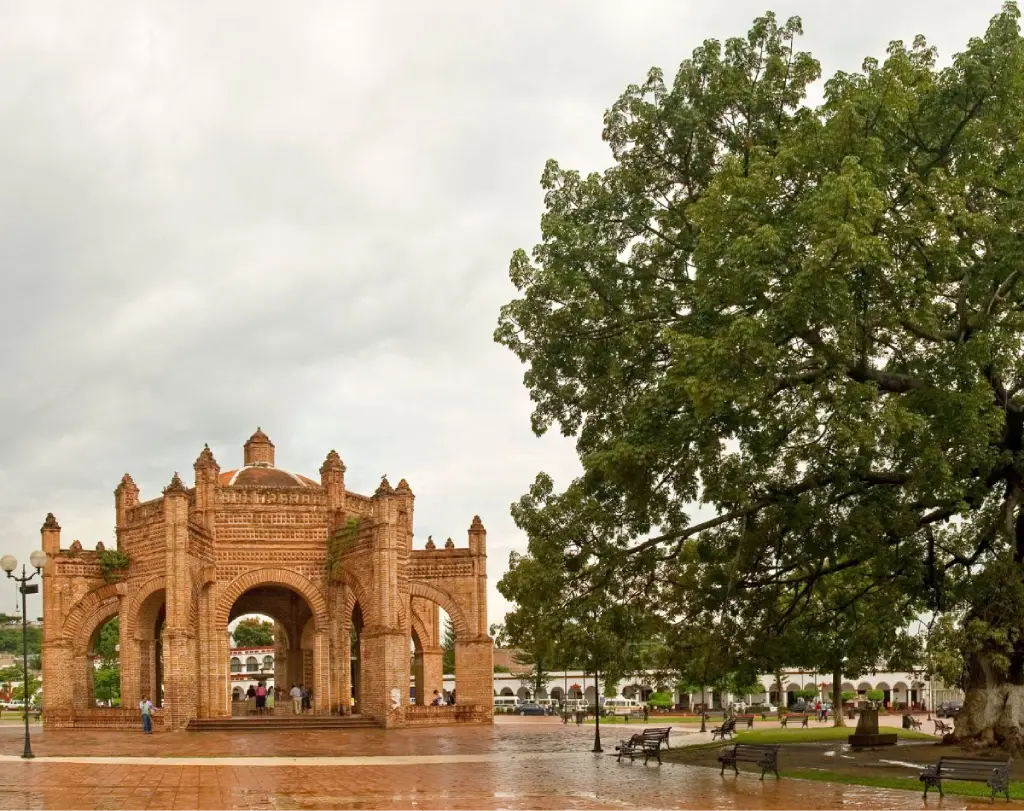
The first thing that catches your eye when you arrive is La Pila, a 16th-century Mudéjar-style fountain. Its red-brick, crown-shaped design is an architectural rarity in Mexico and a symbol of the town. The first time I saw it, I was struck by how something so old could still stand with such elegance.
But beyond the architecture, what truly makes Chiapa de Corzo special is its Fiesta Grande, one of the most important celebrations in Chiapas. Every January, the streets fill with color as the Parachicos — masked figures — dance to traditional music. Attending this festival is something you can’t put into words: the energy, the joy, and the sense of tradition all come together in a way that’s entirely its own.
And before you leave, make sure you try the local food. Pozol, a refreshing drink made from corn and cacao, is perfect for the heat, while tamal of chipilín is an absolute treat.
Add to all of this its proximity to the Sumidero Canyon — where you can take a boat tour between canyon walls rising more than a thousand meters — and Chiapa de Corzo becomes a destination you really can’t skip.
Comitan de Dominguez
Comitan de Dominguez has a particular kind of elegance. It’s not as touristy as San Cristobal, which gives it a more relaxed feel — but that doesn’t mean it has less to offer. In fact, it’s one of the most historically and naturally rich places in the entire state.
Its historic center is a colonial gem. The Parish of Santo Domingo, with its white-and-blue façade, is a local landmark, and the murals on some of the streets tell the town’s history in a visually striking way. But what really sets Comitan apart is its natural surroundings.
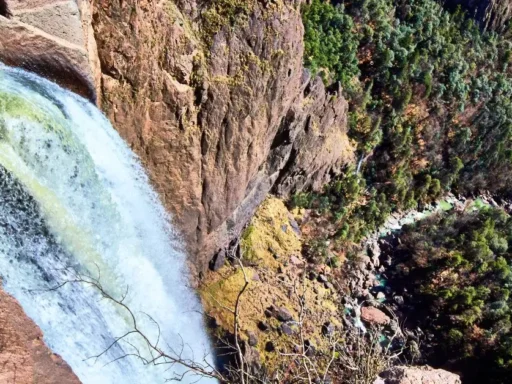
From here, you can visit some of Chiapas’ most spectacular landscapes: the Montebello Lakes, a collection of lakes in different shades of blue and green that look almost too beautiful to be real. There are also the Chiflón waterfalls, where a massive curtain of water falls with incredible force. The first time I visited those waterfalls, I was blown away by the power of the water and the turquoise color of the river below.
Comitan strikes a perfect balance between history and nature, and that makes it a fascinating stop for any kind of traveler.
Palenque
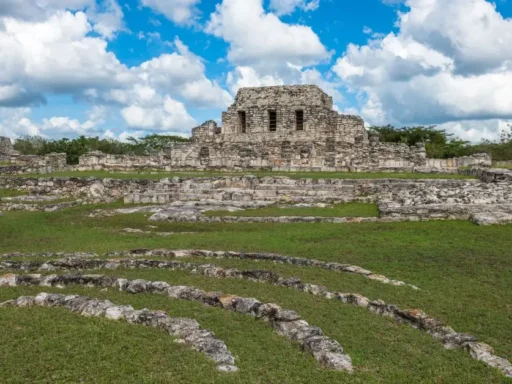
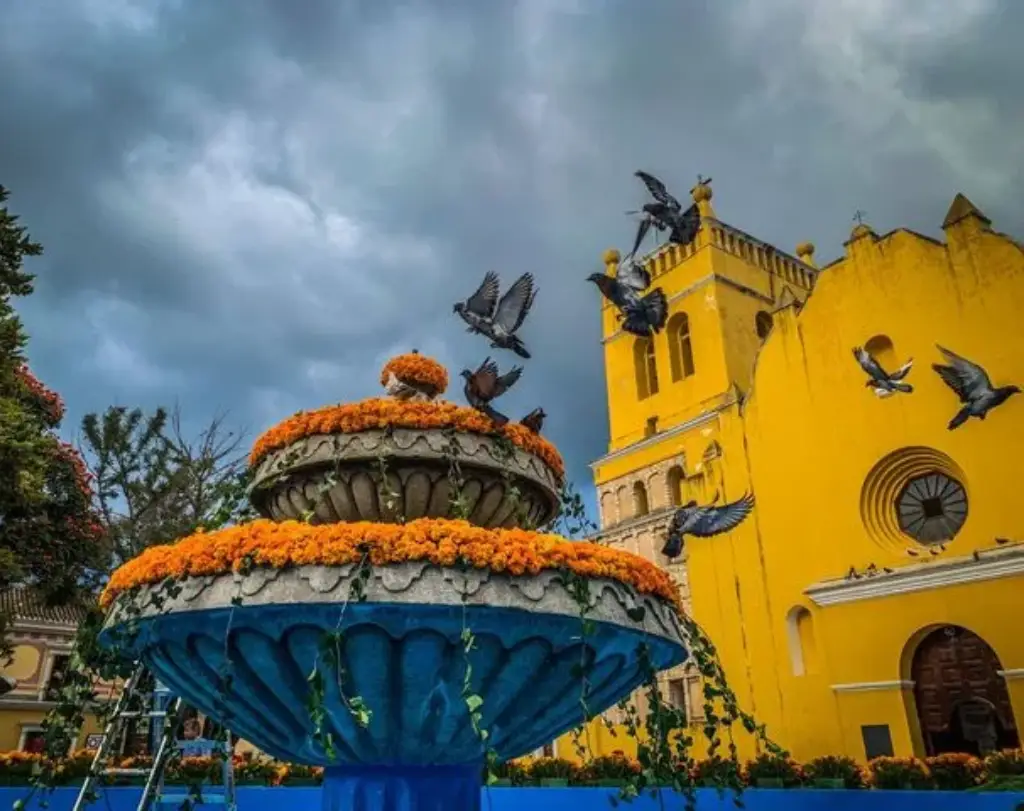
If there’s one place in Chiapas that transports you to a pre-Hispanic past, it’s Palenque. This town, surrounded by tropical jungle, is home to one of the most important archaeological sites in the Maya world.
The first time I visited the Palenque ruins, I was speechless. Walking among moss-covered temples while the sounds of the jungle fill the air is the kind of experience that stays with you. The Temple of the Inscriptions, where the tomb of the ruler Pakal was discovered, is one of the most impressive structures at the site.
But Palenque isn’t just about archaeology. Nearby are the Agua Azul waterfalls — a series of waterfalls with such an intense turquoise color that they almost seem unreal — and the Misol-Ha waterfalls, where water drops into a wide pool surrounded by dense vegetation.
Palenque brings together history, adventure, and nature in a way that’s hard to match. If you want to explore it in depth, check out this other post.
Copainala
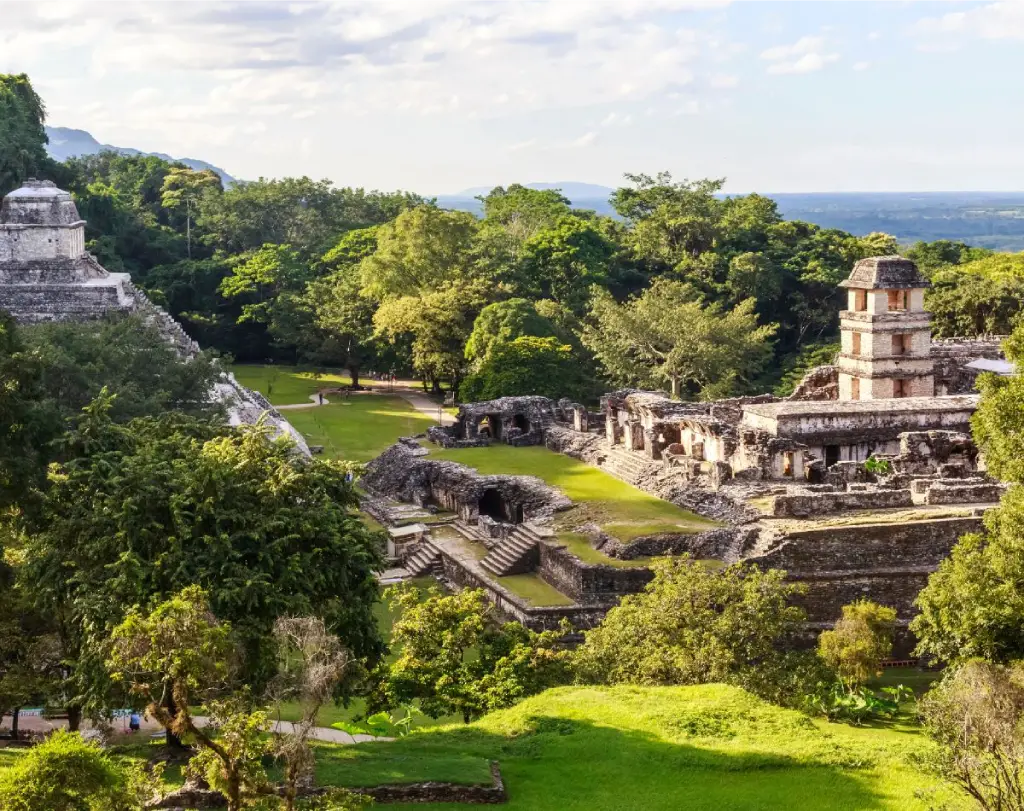
If you’re looking for a lesser-explored destination with genuine charm and a calm atmosphere, Copainala is worth the detour. Unlike other more visited Magical Villages, this one has a quieter pace — nature and local culture weave together here without any fuss.
The first thing that surprised me was the vernacular architecture. Many of the houses are built with traditional materials and fit right into the green landscape that surrounds them. Every street carries that distinctly Chiapas feel, without the rush or noise of more tourist-heavy spots.
It’s a great place for anyone looking for a quiet getaway away from mass tourism. The warmth of the people and the town’s strong cultural roots make visitors feel genuinely welcome. For photographers, Copainala offers natural and architectural scenes that are well worth capturing.
If what you want is an authentic experience in Chiapas, this small but fascinating town will win you over with its simplicity and natural beauty.
Ocozocoautla de Espinosa (Coita)
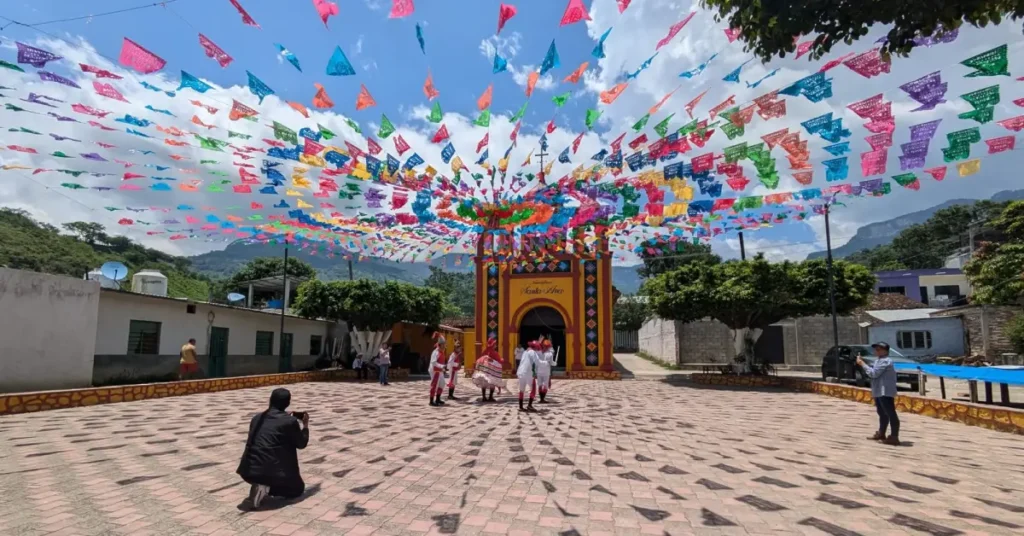
Another of Chiapas’ lesser-known corners is Ocozocoautla de Espinosa, known locally as Coita. Its Nahuatl name means “place of snakes and trees,” which gives you a sense of how closely this town is tied to its natural surroundings.
Unlike the more tourist-oriented Magical Villages, Ocozocoautla keeps a genuine balance between history and nature. Religious and traditional celebrations carry deep meaning here and are observed with real devotion.
One of its main draws is its proximity to the Selva El Ocote Biosphere Reserve, one of the most impressive natural areas in Chiapas. Hiking its trails and stumbling upon hidden waterfalls is an experience most tourists never get to have.
It’s also a great spot for anyone wanting to see a more authentic side of Chiapas. The food, built around local ingredients and traditional recipes, is worth seeking out. If you visit, don’t leave without trying the traditional bread and the stews made with herbs from the region.
Ocozocoautla invites you to step into Chiapas’ history and nature at your own pace, offering a different kind of experience from the more famous Magical Villages nearby.
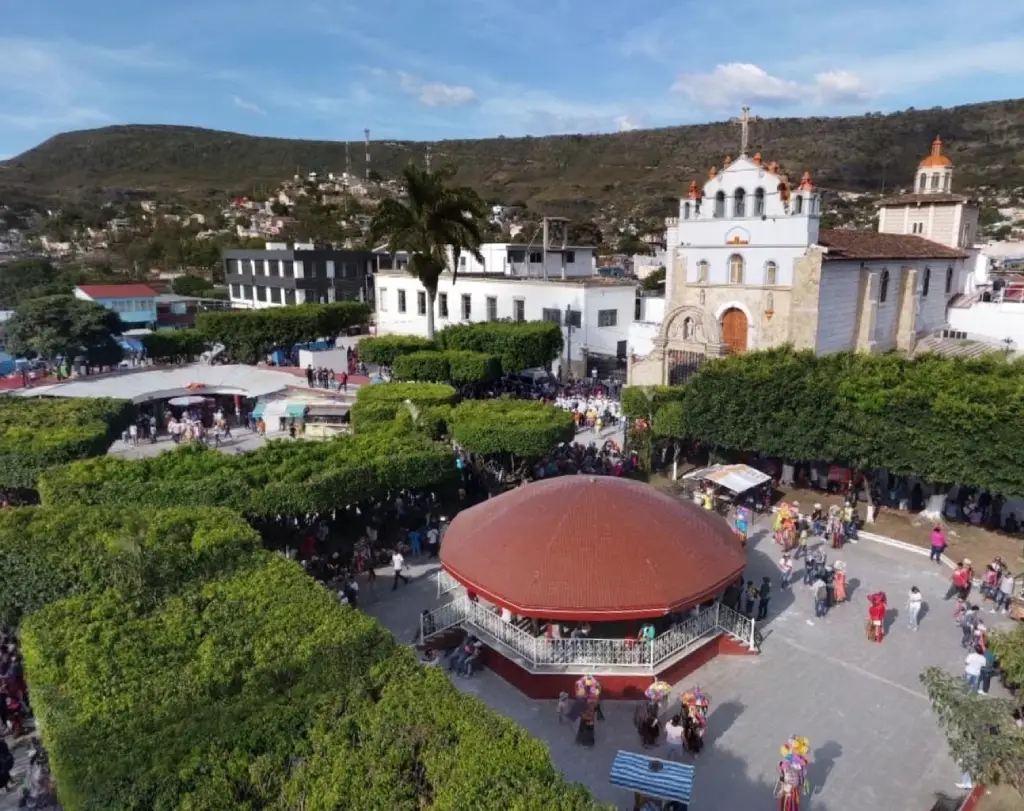
Each of Chiapas’ Magical Villages has something special. From the vibrant energy of San Cristóbal to the grandeur of Palenque, these towns reflect a state rich in history, culture, and natural beauty.
Traveling through them has been one of the most rewarding experiences of my life, and if you ever get the chance to do it, I can promise you’ll leave with memories that don’t fade — and a deeper connection to what makes Chiapas so extraordinary.