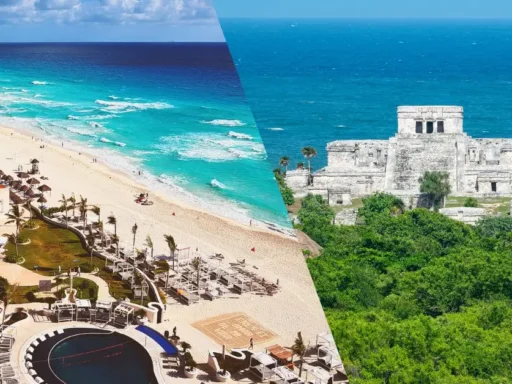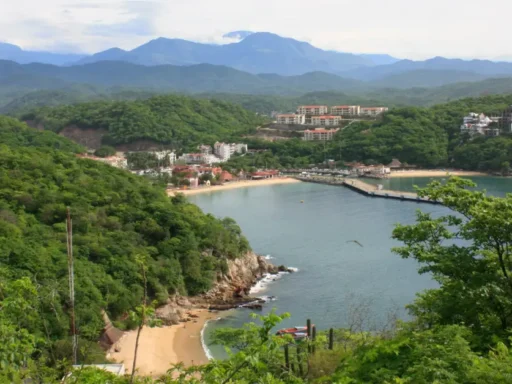


Tulum has become one of the most sought-after destinations in the world. Its combination of stunning beaches, bohemian energy, and an impressive Mayan heritage has turned it into a magnet for travelers from everywhere. But behind those picture-perfect postcards, there’s a duality: on one hand, Tulum is a vibrant, natural place. On the other, it’s starting to show clear signs of saturation from poorly managed tourism. That’s exactly why raising awareness about the need for ecotourism in Tulum matters so much.
Anyone who spends a few days in Tulum will quickly realize it’s not the most sustainable destination in Mexico. Tourist growth has been out of control, with almost no consideration for environmental impact. Meanwhile, local culture is being reduced to a handful of tourist attractions, and the wealth generated by tourism is far from equally distributed among the population.
Ecotourism is emerging as a necessary and urgent response. This way of traveling — focused on sustainability and respect for the environment — not only preserves the destination, but also deeply enriches the experience of those who visit it.
What is ecotourism and why does it matter in Tulum?
Ecotourism isn’t just about visiting natural sites. It’s a travel philosophy that seeks to interact with the environment in a respectful and positive way, minimizing environmental impact and benefiting local communities. In Tulum, where ecosystems are especially fragile, this approach can make a real difference.
Tulum is a destination that shot to fame because of its natural beauty and rich Maya history. But its reality is more complex. On one side, there’s a paradise with dreamy beaches and vibrant cultural life. On the other, it’s buckling under the weight of mass tourism, which is anything but sustainable.
Uncontrolled growth, pressure on natural resources, and insufficient infrastructure have created an urgent need for responsible alternatives. That’s where ecotourism can act as a lifeline, both for the destination and for its people.

The price of mass tourism
Tulum wasn’t always what it is today. Not that long ago, it was a small coastal town with rustic charm. The tourism boom brought an explosion of development that, while it boosted the local economy, also had serious consequences for the environment. These days, it’s common to see large-scale construction, deforestation, and infrastructure that simply can’t keep up with demand.
The town is packed with luxury hotels, resorts, and boutique hotels that draw millions of visitors every year. This has led to significant environmental damage, including pollution and overcrowding. According to some reports, up to 80% of resorts lack adequate sewage systems, which contaminates the surrounding natural environment.
On top of that, waste generation is alarming — more than 120,000 tons of garbage per year. In a place without the infrastructure to process it properly, that level of waste creates serious pollution problems that threaten the reefs, cenotes, and wildlife of the region. Add to this the pressure on aquifers, which are being compromised by excessive extraction and contamination of underground water sources.
Ecotourism in Tulum: hotels and conscious luxury
In response to all this, a new wave of environmentally committed accommodations has emerged. These aren’t just rustic or minimalist lodges — they’re genuine conscious luxury spaces offering deep, sustainable experiences. These hotels have implemented solar energy systems, organic waste management, rainwater harvesting, and reforestation programs. They also promote community connection through cultural workshops, local gastronomy, and sustainability-focused events. Some of the best-known are:
Papaya Playa Project: This resort is known for its commitment to sustainability. It has managed to preserve more than 93% of the original jungle and runs initiatives like turtle conservation and beach cleanups. It offers eco-friendly cabins and villas with a bohemian-chic design.
Habitas Tulum: This hotel is recognized for eliminating single-use plastics and collaborating on local reforestation projects. It offers rooms with views of either the sea or the jungle, plus a spa and a restaurant that sources organic products.
Alaya Tulum: This hotel holds the Green Key certification, which recognizes its commitment to sustainability. It applies practices such as using biodegradable products and reducing water and energy consumption.
Libelula Tulum: This eco-retreat is located within the Sian Ka’an Biosphere Reserve and focuses on preserving both the jungle and the beach. It offers cabins built with local materials and takes part in marine turtle protection programs.
Pepem Eco-Luxury Hotel: Set in the jungle, this hotel runs on solar and wind energy and offers services like massages and cenote ceremonies. It’s a great option for anyone looking for an eco-friendly experience in a quiet setting.
This type of accommodation not only improves the visitor experience — it also protects the very resources that make Tulum a unique destination.
Ecotourism activities you can do
Tulum isn’t just for those who want to relax on the beach. It’s also a paradise for adventure and nature lovers. And if you choose the right activities, you can have a deep, educational, and fully sustainable experience. These are some activities I personally tried and consider essential for any conscious traveler.
Visiting the Sian Ka’an Biosphere Reserve
This place is a true natural treasure. Guided tours let you explore the region’s biodiversity without damaging the ecosystem. Navigating the freshwater canals and learning about local flora and fauna is something else.
The reserve covers more than half a million hectares and is home to hundreds of species of birds, reptiles, and mammals. Going with certified tour operators lets you experience it without disrupting its balance. Navigating through mangroves, spotting wild dolphins, and learning about ongoing conservation projects was one of the most striking parts of my trip.
Exploring cenotes off the tourist circuit
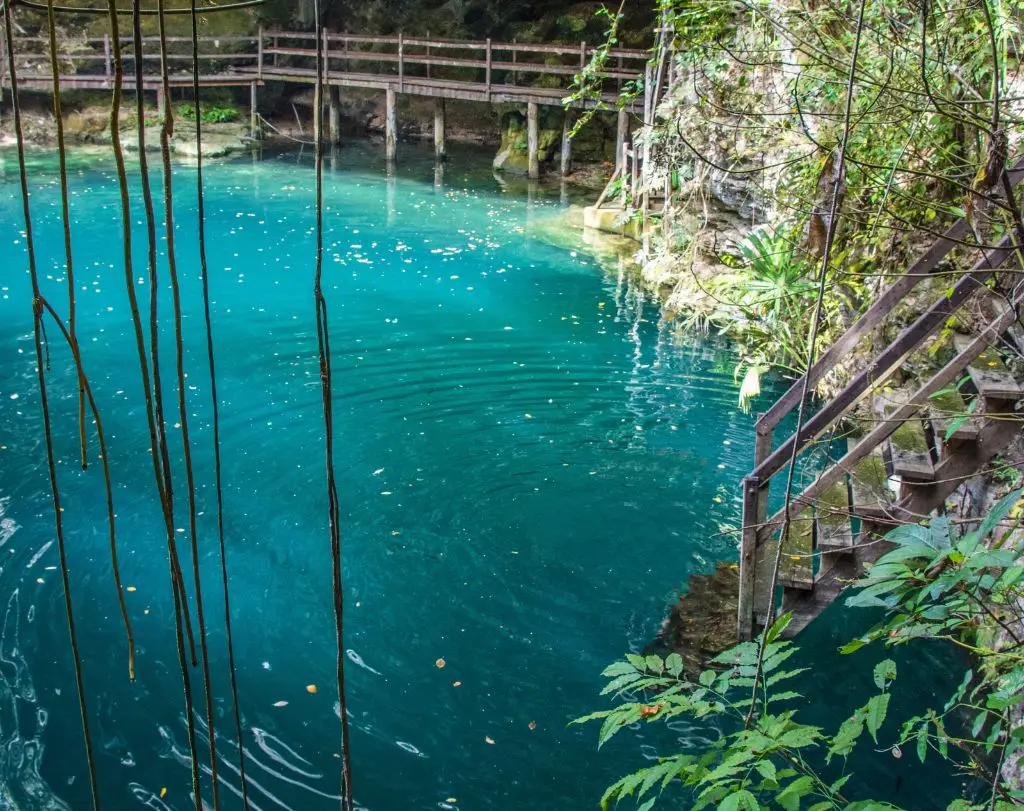
Cenotes are one of Tulum’s natural wonders, but some are seriously overexploited. Opting for an ecological tour allows you to swim in these crystal-clear sinkholes without eroding the surrounding environment.
Instead of heading to the most famous, crowded cenotes, look for hidden alternatives managed by local communities. These spots not only offer a quieter, more authentic experience — they also run water and cavern conservation programs.
Cycling through the jungle
A bike ride through the jungle is a great way to take in the natural scenery without any pollution. You’ll pick up a lot about local wildlife and plant life, and it’s genuinely fun.
Getting around on a bicycle along Tulum’s natural trails gives you a completely different connection to the environment. Along the way, you’ll come across native tree species, spot birds in their habitat, and chat with local guides who’ll share their knowledge of traditional Maya medicine. It’s a sustainable, accessible way to travel — and it makes every kilometer worth it.
How to practice sustainable tourism in Tulum
Traveling sustainably doesn’t require major sacrifices — just a bit of awareness and willingness. Nobody’s asking you to give up swimming pools or skip the main tourist attractions. It’s simply about incorporating a few practices into your trip so your impact on the destination stays as low as possible:
- Stay at certified eco-hotels that genuinely invest in reducing their ecological footprint.
- Avoid single-use plastics like bottles, bags, and cutlery.
- Use biodegradable sunscreen to avoid contaminating cenotes and reefs.
- Respect protected natural areas: stay on marked trails, don’t feed wild animals, and don’t take anything with you — not even a stone.
- Buy local products, from food to handicrafts. It supports the regional economy and cuts down on the environmental cost of transporting goods.
- Avoid activities that involve animal exploitation or ecosystem disruption, like jet ski rides, animal shows, or visits to places that don’t respect wildlife.
Whenever possible, it’s worth not just being mindful yourself, but also sharing that awareness with the people you travel with. If we can all internalize these small habits and keep adding more over time, we’ll be able to preserve incredible destinations like Tulum for years to come.
The act of traveling brings so many experiences and emotions that we tend to forget the impact we have on the places we visit. It took me a while to fully come to terms with that, but now that I have, I keep it in mind all the time. I try to minimize my travel footprint, take care of the places I visit as if they were my own home, and connect with local people as closely as I can. All of that makes my experiences as a traveler more complete. I’d encourage you to do the same.
Now more than ever, we have a responsibility to travel consciously. Tulum is a treasure worth protecting. And if we do it right, we can keep enjoying what makes it special without compromising its future.