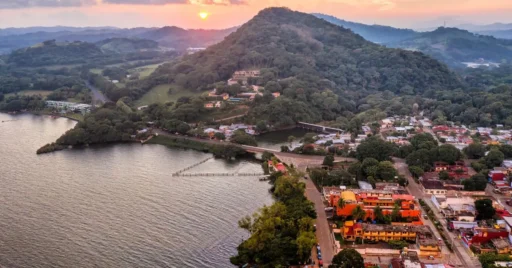
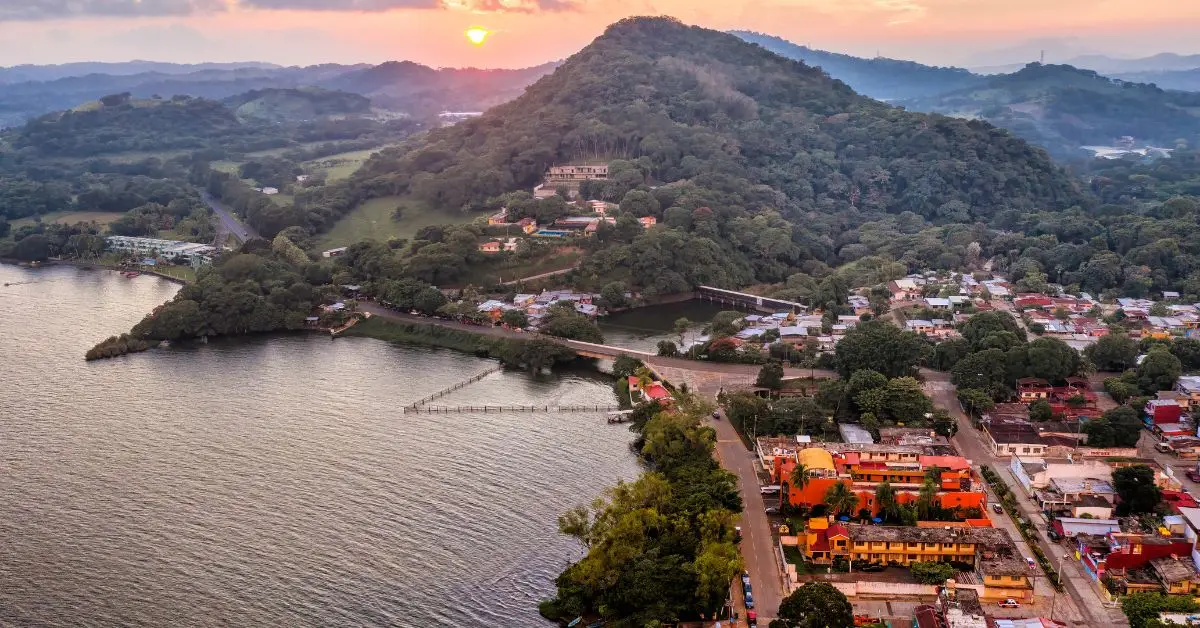
Veracruz is an intense, lively destination. It’s a place that gets under your skin with its humid warmth, its great cooking, and the music that plays everywhere. The moment you set foot there, the salt air and the music floating through the streets tell you you’ve arrived somewhere that runs on a different frequency.
Veracruz’s colonial past is very present in its facades, squares, and alleyways. But the city is very much alive — squares full of music, streets full of cheerful people. It has a warm, upbeat rhythm, thanks to its people who make you feel like you’re part of the place.
Visiting Veracruz isn’t just about ticking off tourist spots. It’s about letting yourself go with its infectious rhythm and festive spirit — the things that make it a destination unlike any other.
A bit of history
In 1519, Hernán Cortés arrived on these shores and founded the Villa Rica de la Vera Cruz. That’s where the conquest began. The port became the entry point for Spanish power: soldiers, goods, orders, enslaved people. Everything passed through here.
During the colonial era, Veracruz was essential to the Empire’s trade. Gold and silver went out through the port; weapons, textiles, enslaved Africans, books, and food came in. That’s why it was so heavily defended — walls, cannons, fortresses. Even so, the city was invaded multiple times by pirates, the French, and the Americans.
The historic center still holds traces of all of that. Colonial buildings split in two. Facades surviving between cables and antennae. Some have been restored, but others keep giving way to time. Between one thing and another, the city breathes as best it can.
One witness to all of this is the fort of San Juan de Ulúa, which also served as a prison and execution site. Political opponents, former presidents, and common criminals were all held here. You can still walk through it today, though it’s a slightly uncomfortable visit.
From the top you can see the Gulf. Ships still come and go, just as they always did. Only the names and cargo have changed.
How to get to Veracruz
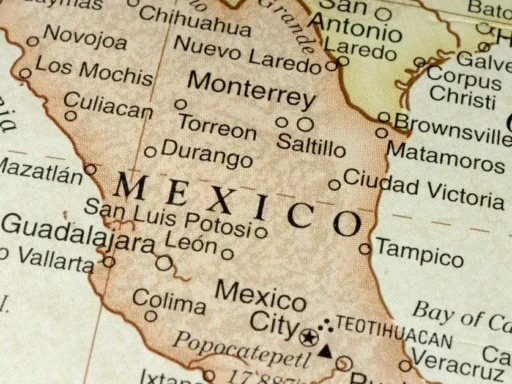
Getting to Veracruz on the Gulf Coast of Mexico is fairly straightforward. The city has its own international airport, fairly close to the center. You can fly in from Mexico City, Monterrey, or Cancún.
You can also easily drive in from Puebla or Mexico City. And if you prefer the bus, ADO and AU will get you to the port from many cities around the country.
Getting around within Veracruz is easy. There’s cheap public transport and routes connecting all the key spots. For getting around at night or over longer distances, taxis or ride-hailing apps are the way to go.
Main attractions in Veracruz
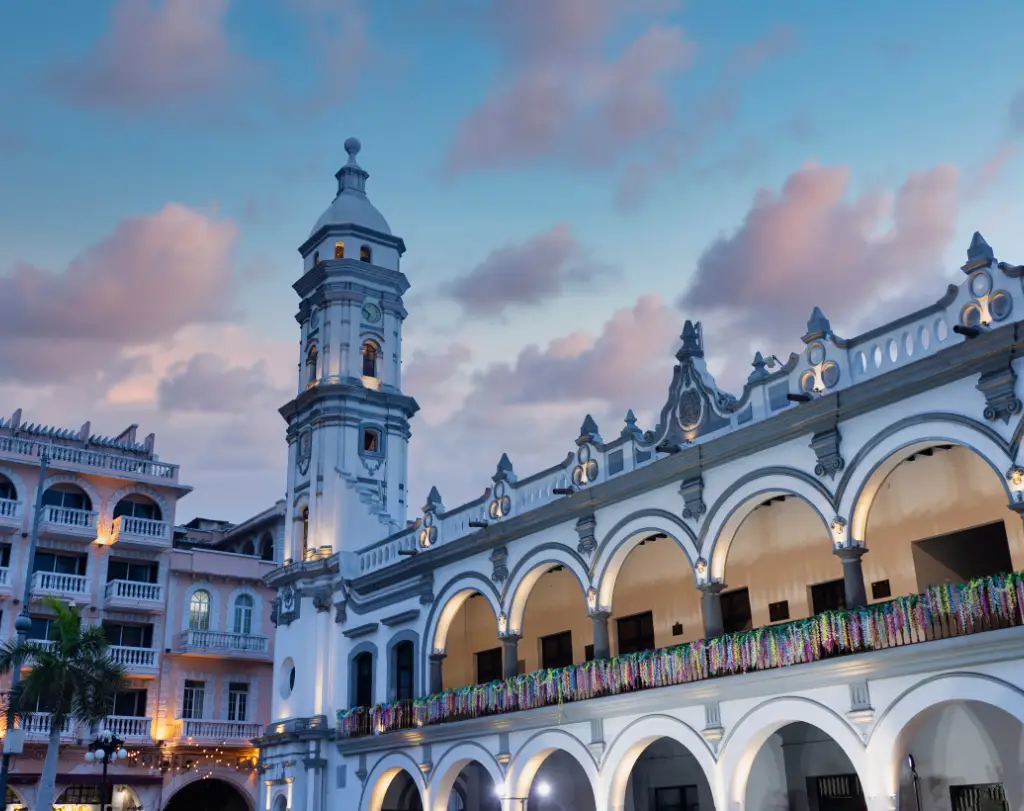
Zócalo and the historic center
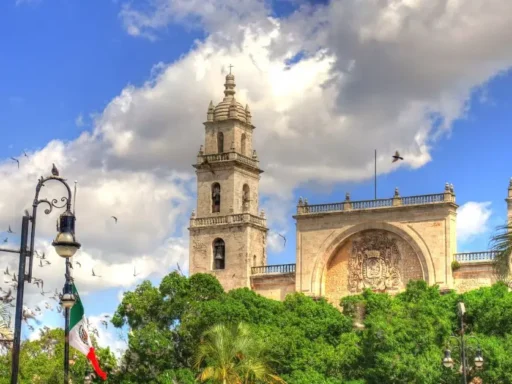
The heart of Veracruz starts at the Zócalo. The Cathedral on one side, the Municipal Palace on the other, and the arcade filled with people from early morning. It’s one of the liveliest parts of the city — full of cafés, people chatting, street musicians playing, and children running around.
It’s not unusual to find people of all ages dancing while a band plays nearby. The Zócalo functions as a plaza, dance floor, café, and waiting room all at once. It’s one of the most fun and interesting spots in the whole city.
The Malecón
The Pier (Malecón) runs through the city right along the sea. It’s long, warm, and always full of people. On the dock side, ships come and go; on the other side, stalls sell crafts, sweets, and t-shirts. As the afternoon fades and the sun drops a little, the place shifts gear. Ice cream vendors appear, kids with balloons, families sitting out in front of the water. The lights of the ships reflect off the sea. Some people take photos, others just watch. There isn’t much more to do — and that’s kind of the point. The Malecón has nothing spectacular about it, but it’s perfect for spending the day.
Gran Café de la Parroquia
The Gran Café de la Parroquia is old, big, and full of history. You don’t come here just for the coffee — you come for the ritual. The classic move is to order a lechero. You tap your glass with a spoon and the waiter comes over with hot milk, as they’ve been doing for decades.
Sitting there, you see everything: men reading the newspaper, people from the docks, tourists who don’t quite get the ritual yet. It’s a busy café, but also an oddly calm one.
You can have a good breakfast here, but that’s beside the point. It’s one of those places where the city shows itself as it really is, with no mask on.
Fort of San Juan de Ulúa
San Juan de Ulúa is an imposing building full of history. It’s large, grey, worn by the salt air. It served as a prison, a fort, a barracks, and the scene of multiple invasions — each episode leaving its mark on the walls. Inside there’s dampness, darkness, echoes. The tunnels are low, the courtyards open to the sky, and the cells smell of confinement. You don’t need much imagination to feel the weight of the place. What hits you most isn’t any particular fact — it’s the whole thing together. The silence, the stained walls, the sea just a few meters away. From the top you can see the port. The ships, the buildings, the movement. Everything else keeps going. What happened here stayed inside.
The Naval Museum occupies what was the old Naval School. The building has kept its original structure, but the inside is something else entirely. The rooms are well laid out, with historical pieces, scale models, videos, and touchscreens.
Mexico’s maritime history is explained clearly. Veracruz comes across as central to it all: this is where invasions arrived, warships departed, and defenses were organized. There are also sections on navigation, naval tools, and life on board. All presented in an educational and engaging way.
What to do in Veracruz
Boat trip to Cancuncito
One of the most popular excursions in Veracruz is hopping on a boat out to Cancuncito. It’s a sandbar in the middle of the sea, surrounded by clear, shallow water. It looks made for photos — and partly, it is.
The place went viral on social media, so it can get crowded. Even so, if you pick the right operator, the trip is worth it.
It’s a short visit, but the place makes an impression. Not because it’s perfect, but because there’s something genuinely strange about standing in the sea, water up to your knees, with no land in sight.
Day trip to Sacrifice Island
Isla de los Sacrificios (Sacrifice Island) can’t be visited independently — only through authorized tours. Some say that in pre-Hispanic times rituals and sacrifices were performed there. There’s not much evidence of it, but the name stuck.
The sea there is clear, the island is nearly empty, and everything is quiet. No vendors, no music, no engines nearby. Just water, a breeze, and silence. A visit that’s very much worth it.
A beach day at Mocambo
Mocambo is Veracruz’s urban beach. There’s no white sand or turquoise water, but people go because it’s practical. Families, groups of friends, vendors — it’s a beach with a lot of energy.
You’ll commonly see kids playing at the water’s edge, people eating fried fish, music drifting in from somewhere. Nobody’s there for the photo — they’re there because it’s close and it does the job.
What Mocambo has is that: routine. It’s not trying to impress anyone. You can sit under an umbrella, order a shrimp cocktail, watch the sun go down, and that’s enough. Nothing spectacular, but sufficient.
Adventure in the dunes of Chachalacas
Chachalacas is less than an hour from the port. The beaches are wider, there are fewer people, and the noise drops considerably. But what really draws attention isn’t the beach — it’s the dunes. A mass of sand piled up inland. You can climb them on foot or rent an ATV and go all in. From the top you can see the sea on one side and the desert on the other. That contrast is something else. It works well for anyone looking for open air, space, and something different. There’s no luxury or heavy infrastructure. You arrive, walk, look, and stay for a while.
Boat tour through the Mandinga lagoon
One of the best-kept secrets in the region is Mandinga, a small community with a big reputation for its lagoon and local food. On the lagoon you can get on a boat with a guide who takes you through mangroves, small islands, and natural channels full of life.
After the tour, the best move is to find a table by the water and order something fresh from the sea. Along with the classic fresh fish, they usually have seafood rice and garlic shrimp that smell incredible.
The atmosphere is relaxed and prices stay reasonable. It’s one of the most authentic experiences you can have in Veracruz.
Eating well without spending much
One of the great pleasures of Veracruz is the food. Port cooking mixes sea, spices, and tradition with ingenuity and a lot of history behind every dish. If you’re traveling to Veracruz, you have to try a proper arroz a la tumbada — good and brothy — some golden mojarras, or stuffed jaibas.
The good news is you don’t need to spend much to eat well. The streets have everything: modest fondas, seafood spots, ceviche carts. You just need to look a little to find what you like.
Try to avoid the restaurants clustered near the aquarium or the heavily touristy areas, and look for more local options instead.
Is Veracruz safe to visit?
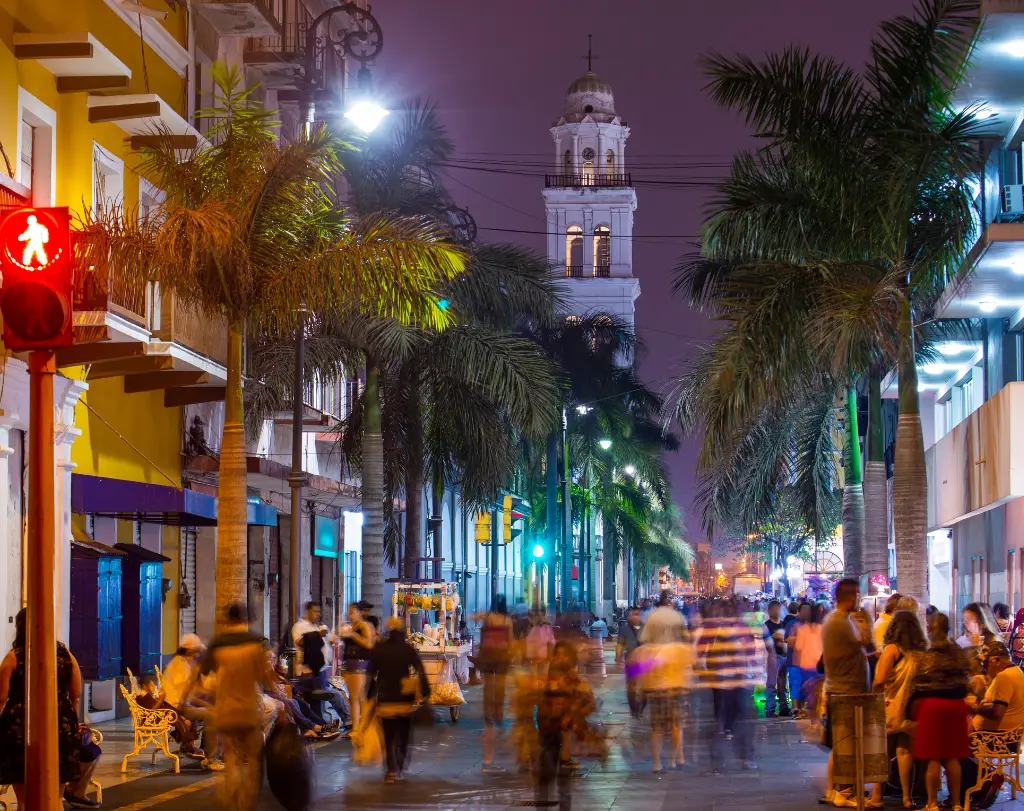
Safety is one of those questions that always comes up when planning a visit to a big city, and Veracruz is no exception. The port area feels calm to walk around during the day, especially in spots like the historic center, the Malecón, Boca del Río, and the beaches.
That said, as in any city, common sense is key. Avoid unfamiliar neighborhoods, especially at night. If you’re heading out late, the safest way to move around is by a trusted taxi or a ride-hailing app. The latter are still being regulated in the state, so it’s a good idea to check which service works best when you arrive, or ask at your hotel.
Ask locals which areas to avoid and where it’s worth going — they’ll help you out without any problem.
Best time to visit Veracruz
The climate in Veracruz is warm, humid, and consistent year-round. But there are seasons when you enjoy it much more without feeling sticky or constantly chasing shade. The best time is between March and June: the sun feels great, there’s little rain, and prices haven’t gone up too much. Perfect for walking, eating, and exploring without fighting the weather.
In July and August, the heat and humidity get heavier. It’s also peak season with school holidays, so everything fills up and prices go up.
If you’re after a quieter, more local experience, the best time is between September and November. The weather gets cooler, the sky is usually clear, and the city has fewer tourists. It’s also when cultural life and traditions feel most alive.
Practical tips for visiting Veracruz
Pack light, breathable clothing, comfortable shoes, and sunscreen. The heat and humidity kick in early and you’ll be doing a lot of walking — dress accordingly. Don’t be fooled by the Gulf sun: it seems harmless but burns hard. Bring water and stay hydrated.
Mix with the locals. Seriously. They’re warm, straightforward, and happy to talk to visitors. That’s how you’ll find places well outside the tourist circuit.
If you have time left over, head beyond the port. Visiting Xalapa, Orizaba, or Córdoba is like changing scenery without leaving the same state. The climate is cooler there, the coffee tastes different (and excellent), the architecture has a viceregal feel, and the pace drops noticeably. They’re side trips that show you a different Veracruz — greener, calmer, but just as captivating.
Take Veracruz at a slow pace. Let yourself drift: walk without a destination, stop to listen to what’s happening around you, try whatever looks good, and look at things carefully. Because every street has its scars, every voice carries a piece of history, and the food — well, there are flavors that stick to your memory long after you leave.
This isn’t just another tourist destination. Veracruz is a port with character and a strong Mexican identity. Try to soak up the essence of the place and the spirit of its people — they’re some of the best things you’ll find there.