Mérida, the capital of Yucatán, is one of the most compelling destinations in southern Mexico. The city mixes history, living culture, colonial architecture, and an extraordinary food scene. On top of that, it has a sense of safety that you genuinely appreciate. Past and present blend on every block. From the moment you arrive you notice you’re somewhere warm, where people smile at you, point you in the right direction when you’re lost, and recommend the best spot to grab a marquesita or a proper cochinita.
Mérida is widely considered one of the safest cities in Mexico. You can walk through the historic center or along Paseo de Montejo well into the evening without any sense of danger. That feeling of safety is reinforced by the atmosphere that’s always present: families in the plazas, people strolling along the avenues, everyday life playing out in the streets. In this post, I’ll explain why Mérida is one of the best cities to visit in the Riviera Maya.
What to see and do in Mérida: the highlights you can’t miss
Mérida isn’t just a jumping-off point for ruins, cenotes, and beaches. On its own, the city has a ton to offer. It was once an extremely wealthy place with a rich history, which means there’s plenty to enjoy without ever leaving the city limits:
Paseo de Montejo
This iconic boulevard is a must. It’s a wide, tree-lined avenue full of history and stately architecture. Many of the mansions here were built during the henequen boom, when Mérida was one of the richest cities in the country. It’s a place to enjoy without rushing, taking in the atmosphere and imagining the stories behind each grand house. Perfect for an artisan ice cream, a visit to the Regional Anthropology Museum inside the Palacio Cantón, or just sitting down and watching the world go by.
Plaza Grande and the historic center
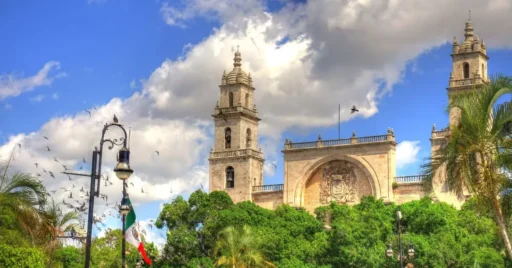
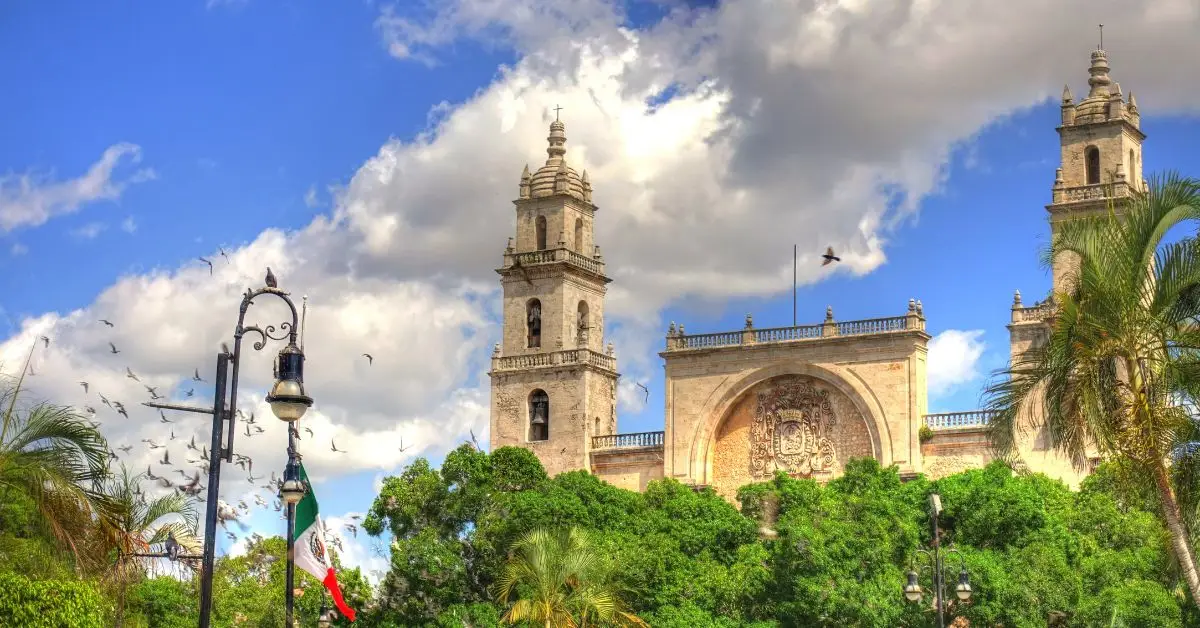
Plaza Grande is the heart of the city. Around it you’ll find some of the most important buildings: the Cathedral of San Ildefonso, the Government Palace, the Montejo House, and the House of Culture museum. This area is perfect for wandering without a plan, stepping into a church, discovering an art gallery, or just sitting down to watch the local rhythm of life. I was genuinely struck by the cathedral, one of the oldest in the Americas, with its austere architecture and its weight of history.
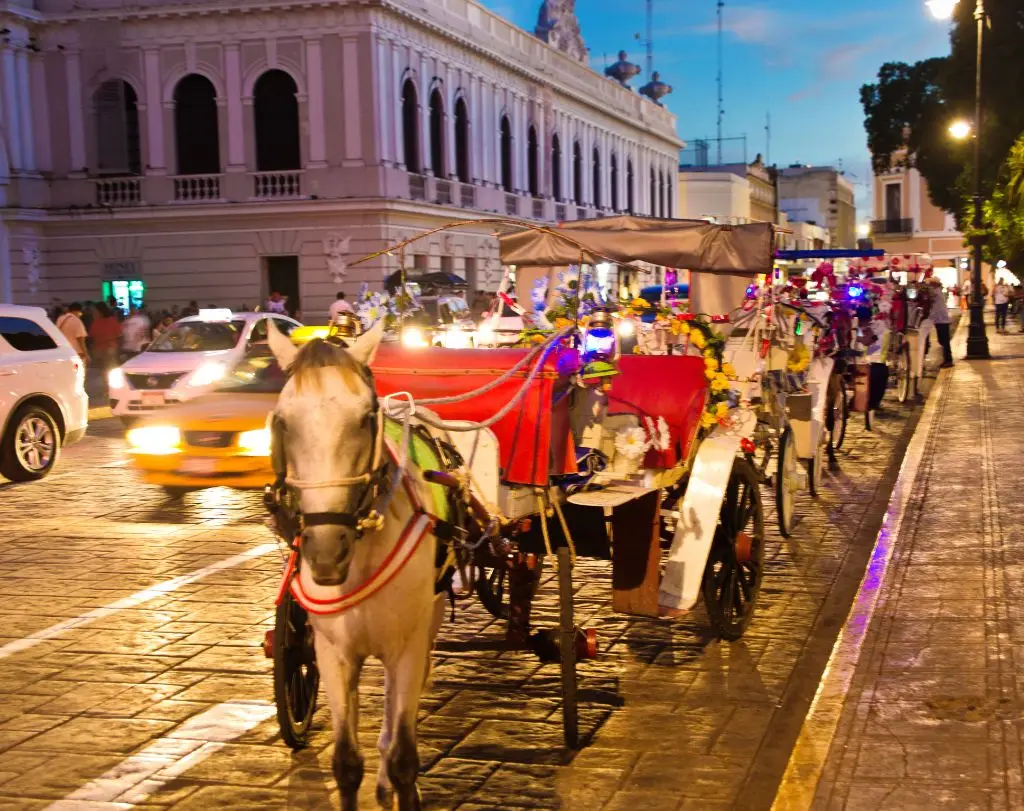
During the day the plaza is lively, but at night it really comes alive. Traditional dance groups, kids running around, food and drink stands everywhere. To soak up the real spirit of Mérida, grab a marquesita right there and find a spot to enjoy the scene.
Santiago neighborhood
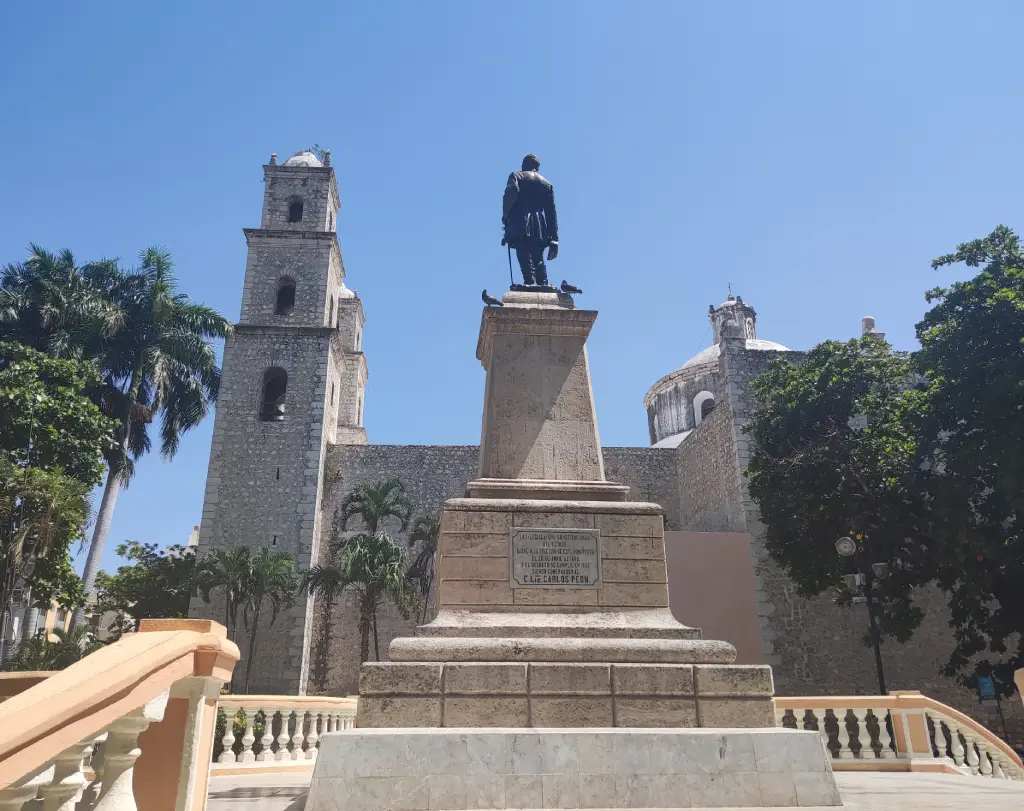
This is one of my favorite neighborhoods in Mérida. It has a local market where you can eat the best cochinita pibil in the city. Its park fills up with families, marquesita stands, and a genuinely relaxed vibe. The century-old cinema and the neighborhood church complete the picture. Santiago is the perfect place to experience the everyday, less touristy side of Mérida.
Santa Lucía neighborhood
Santa Lucía has become one of the trendiest spots in the center. Its park has a small stage where traditional dances and free concerts take place regularly. It’s also surrounded by restaurants, bars, and local design shops. You can eat anything from traditional food to contemporary fusion dishes. It’s a great place to have dinner outdoors, listen to trova music, and enjoy the city’s buzzing atmosphere.
Santa Ana Park and galleries
Santa Ana has a lot of charm. Its colonial church opens onto a small, shaded park where there’s always a breeze and conversation happening. Nearby, a market fills the air with the smell of Yucatecan street food: crispy panuchos, salbutes fresh off the comal, relleno negro. And just a few blocks away you’ll find galleries like Nahualli and La Eskalera, where you can check out local artists and get a feel for the cultural renaissance the city is living through.
Great Museum of the Mayan World
Located in the northern part of the city, this museum is a gem for anyone who wants to genuinely understand the history and legacy of Mayan culture. Its galleries combine archaeological pieces with interactive exhibits and modern technology, so you go from admiring a stele to exploring digital maps without losing the thread. It’s a modern, spacious, thoughtfully curated space, and honestly the perfect place to take refuge during the hottest hours of the day and come out with your head full of stories.
Lucas de Gálvez Market
If you want to see the real pulse of the city, this market is the place. Loud, packed with smells, colors, and flavors. You’ll find everything from fruit and spices to clothing, crafts, and souvenirs. It’s also a great place to eat well for very little money. It has that feeling of organized chaos, the kind of raw city energy that only traditional markets can pull off.
Video mapping and free cultural shows
One of Mérida’s big strengths is its free cultural calendar. Almost every night something is happening: video mapping projections on the Cathedral or the Montejo House, folk dance performances that give you goosebumps, trova concerts in Santa Lucía. The city doesn’t shut down at sunset. If anything, once the sun goes down it shifts into another gear: families, tourists, and locals gather in the plazas to socialize and grab a marquesita.
The food in Mérida is on another level
I’m not exaggerating: Mérida has one of the most impressive food scenes I’ve encountered anywhere in Mexico. And I love eating, and I’ve traveled through plenty of Mexican states. Yucatecan cuisine has identity, character, and flavor. My first stop was the Santiago market, where I tried the cochinita pibil and it was a revelation. The meat melted in your mouth, the blend of achiote and spices was perfect, and all of it came with freshly made tortillas. Another dish I fell for was poc chuc, pork marinated in sour orange that I had at La Chaya Maya, one of the most recommended restaurants by locals. I also loved the panuchos and salbutes, and of course the traditional relleno negro. What’s interesting is that you find this traditional food in both upscale restaurants and small street stalls where they treat you like family.
Mérida as a base for exploring Yucatán
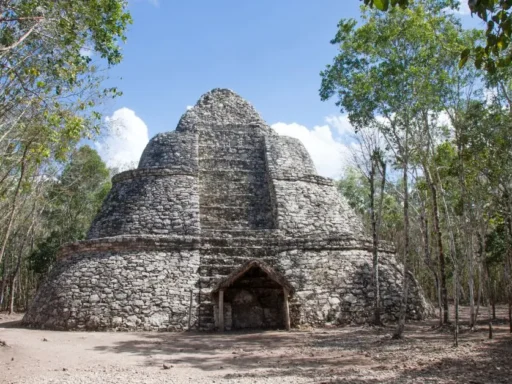
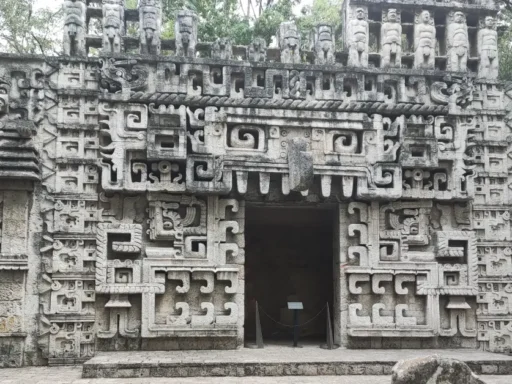
One of the big advantages of visiting Mérida is using it as a base to explore the wider region. From here you can take day trips to Maya ruins like Uxmal, a great alternative to Chichen Itzá. Uxmal is majestic, surrounded by jungle, and has architecture that impresses with its detail and rounded forms. It’s also far less crowded than Chichén Itzá, making for a much more relaxed visit.
From Mérida you can also easily reach several cenotes, like those near Homún and Cuzamá. Some are closed and mysterious, others open and flooded with light, but all of them share that deep blue water that makes you want to jump in.
And if you want beach time, Mérida is close to the Gulf of Mexico. In under an hour you can reach Progreso, ideal for a relaxed day by the sea with fresh seafood. You can also head to Celestún, a small natural paradise where you can spot flamingos in the wild. Watching those birds in their element, with the mangroves behind them and the silence of the water all around, is a genuinely moving experience.
When is the best time to visit Mérida?
One thing you have to know upfront: Mérida’s climate is no joke. The heat is humid and intense, especially between May and September. I went during the hot season, and walking through the center at midday is genuinely brutal. My advice: get out early for outdoor activities, find shade whenever you can, and always carry water, a hat, and sunscreen. It’s also smart to plan museum visits and other indoor spots for the hottest part of the day. The upside is that after 5 p.m. the city comes back to life with more manageable temperatures and free cultural events happening almost daily. If your hotel has a pool, a solid strategy is to go out early, come back during peak heat, and head back out refreshed when the sun starts to drop.
The good and the not-so-good of a destination in full boom
Mérida is in the middle of a tourism boom, and like it always goes, that brings both good things and less welcome ones. On the positive side, options keep expanding: accommodation for every budget, well-organized tours, and a food scene that never stops growing. The downside is that in certain areas, especially in the center, prices have gone up noticeably in recent years. Some restaurants and hotels are now in the same price bracket as Cancún or Tulum. That said, it’s still a very accessible destination if you plan ahead and pick places with solid value for money. You can find comfortable, well-located stays without blowing your budget, plus local fondas where you eat great for very little. And if you’re looking for a drink at night, skip the touristy spots and go where the locals go: La Negrita has a salsa vibe, fair prices, and that kind of lively chaos that makes you want to stay for one more.
To sum it up, Mérida is a destination that’s well worth your time. From its colonial streets to its traditional flavors, from hidden cenotes to the warmth of its people, everything in this city makes you want to stay one more day. It’s not perfect: the heat can be overwhelming, and some visitors might find it busier or less picturesque than other colonial towns like Valladolid or Campeche. But if what you’re after is an authentic, vibrant city with a lot to offer both inside and beyond its limits, Mérida is a solid choice.
The mix of living Maya culture, colonial heritage, nearby nature, and food makes this one of the gems of southeastern Mexico. A city worth visiting more than once.